
The journey of bronze sculpture
From molten bronze to enduring form
Bronze is one of the oldest sculptural materials we know, and still one of the most compelling. Not because it is traditional, but because it allows an artist to give lasting form to something fragile, fleeting or imagined.
At Root Gallery, we work with artists who consciously choose their materials. Bronze is never neutral. It carries history, weight and permanence. And at the same time, surprising sensitivity . Along the way, we’ll also highlight how our own artist Jeske Haak harnesses bronze’s potential in her creations, linking age-old tradition to cutting-edge contemporary art.
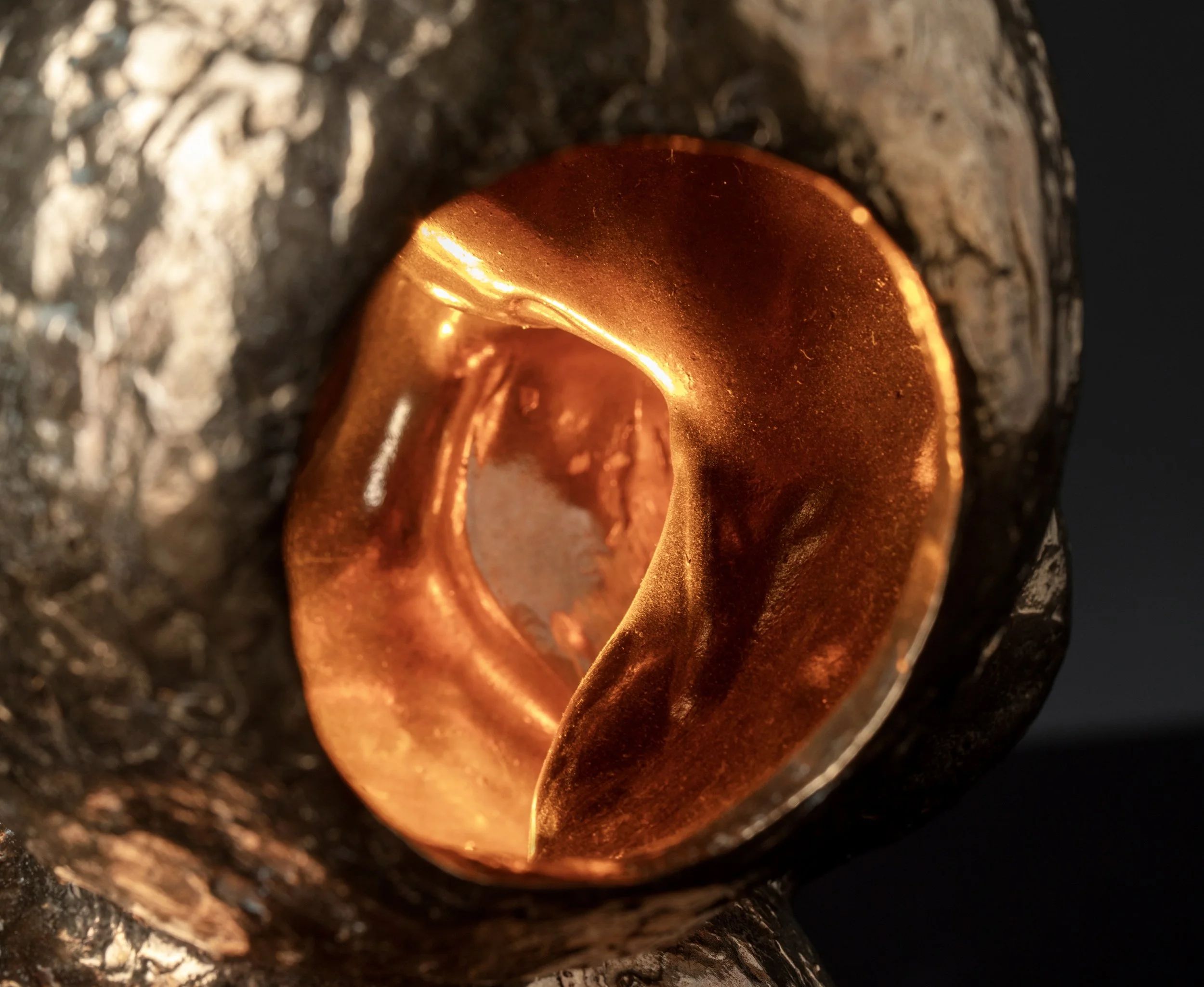
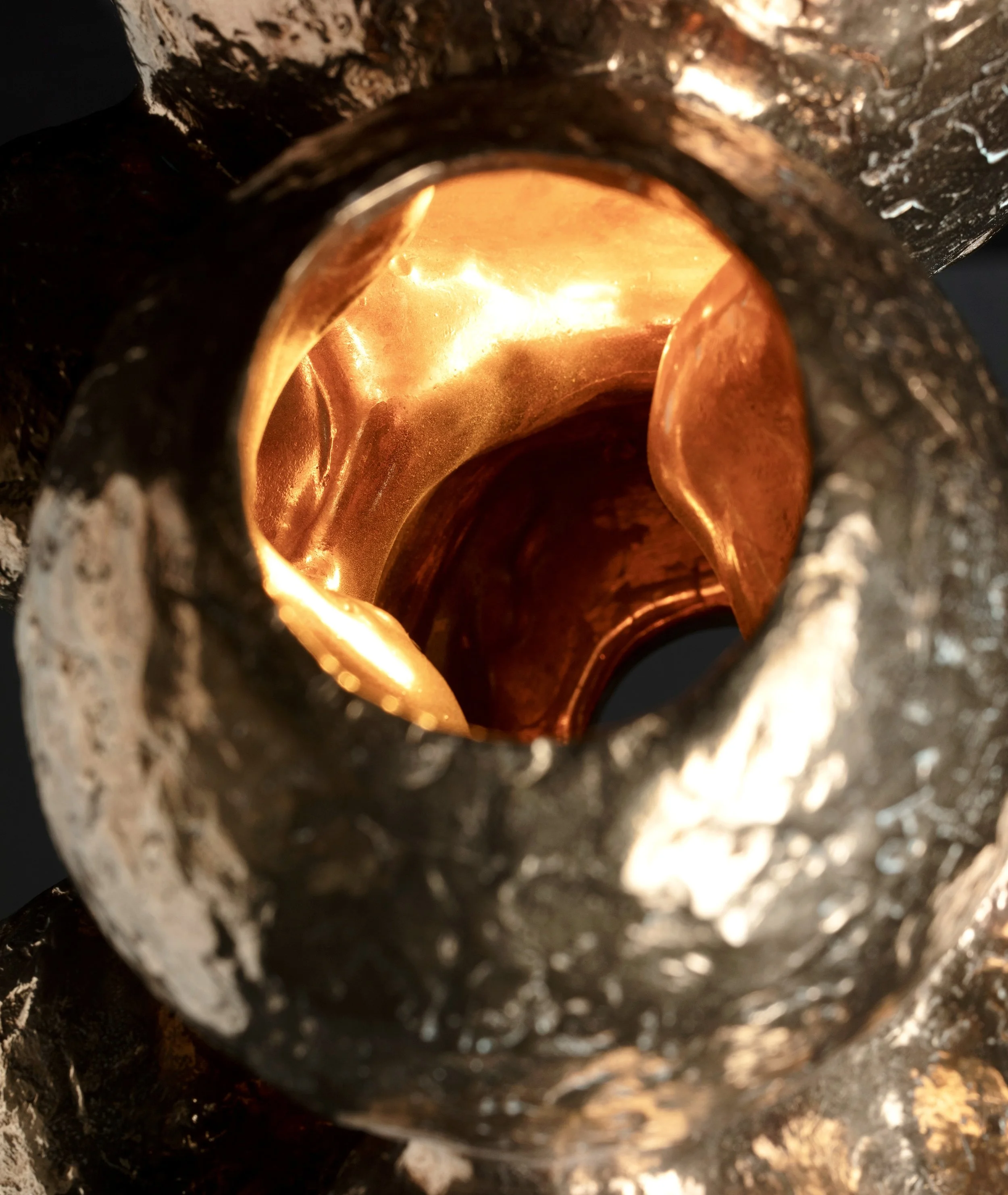
Detail of a bronze sculpture by Jeske Haak
What bronze actually is
Bronze is an alloy, primarily copper mixed with tin. That combination results in a material that is strong, durable and remarkably precise in casting. Molten bronze flows easily, reaches into the smallest details of a mould, and then contracts slightly as it cools, allowing the sculpture to be released without losing definition.
This is why bronze has been used for thousands of years, from ancient ritual objects to contemporary sculpture. It can hold detail without fragility, and weight without clumsiness. A rare balance.
From model to metal
Every bronze sculpture starts far from metal. Usually in clay or wax, a material that allows the artist to search, adjust, hesitate. Only once the form feels resolved does the casting process begin.
Most contemporary bronzes are made using the lost-wax method. A wax version of the sculpture is created from a mould, refined by hand, and fitted with channels that later guide the molten bronze. This wax form is then encased in a ceramic shell. When heated, the wax melts away, leaving a hollow space, ready to receive bronze at over 1,000 degrees Celsius.
What emerges after cooling is not yet the final artwork. Sprues are removed, seams refined, surfaces carefully chased. Sometimes multiple cast parts are welded together and reworked until the sculpture reads as one continuous form.
It is slow, precise work. And it shows.
Patina: colour, depth and time
Freshly cast bronze is pale and raw. Patina gives it character.
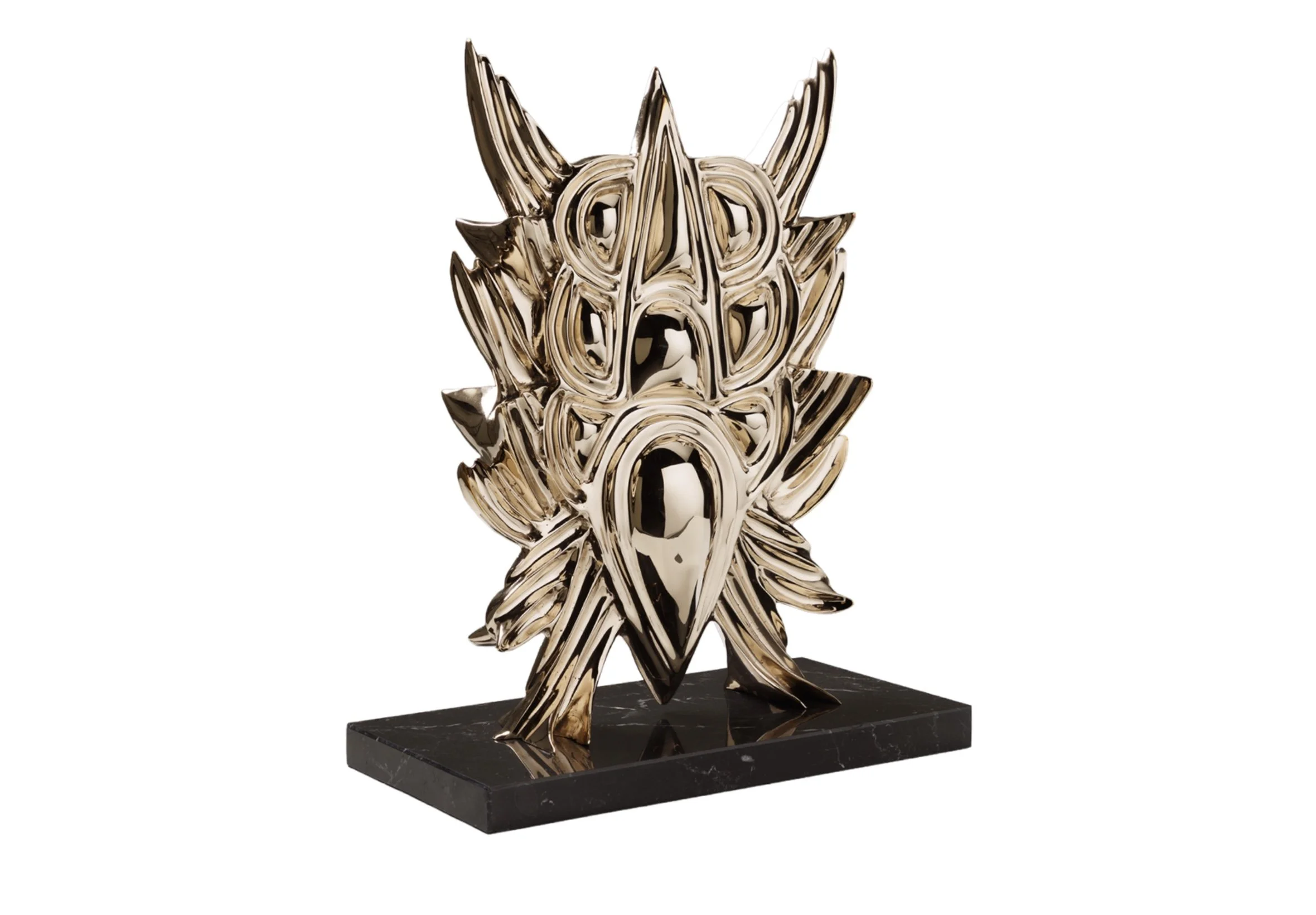
Through heat and chemical reactions, artists and foundries build layers of colour into the surface: warm browns, deep greens, subtle blacks or muted golds. Patina is not paint, it is a controlled oxidation, bonded to the metal itself.
Once the desired surface is achieved, the bronze is sealed with wax. This enriches the colour and slows further oxidation, while still allowing the material to breathe and age naturally.
How to care for bronze, and why it matters
Bronze is durable, but not indifferent.
Moisture is its biggest enemy. In damp environments, bronze can develop unstable corrosion that damages the surface rather than protecting it. For that reason, bronze sculptures are best kept in dry, well-ventilated spaces. Not bathrooms, not near humidifiers.
Touch is another underestimated risk. The natural oils and acids on our skin leave residues that slowly eat into patina and metal. Over time, fingerprints can permanently mark the surface or wear it unevenly. This is why museums avoid touch, and why handling bronze with bare hands is best avoided.
Simple care goes a long way: light dusting with a soft cloth, and occasional re-waxing if needed. Nothing aggressive. Nothing rushed.
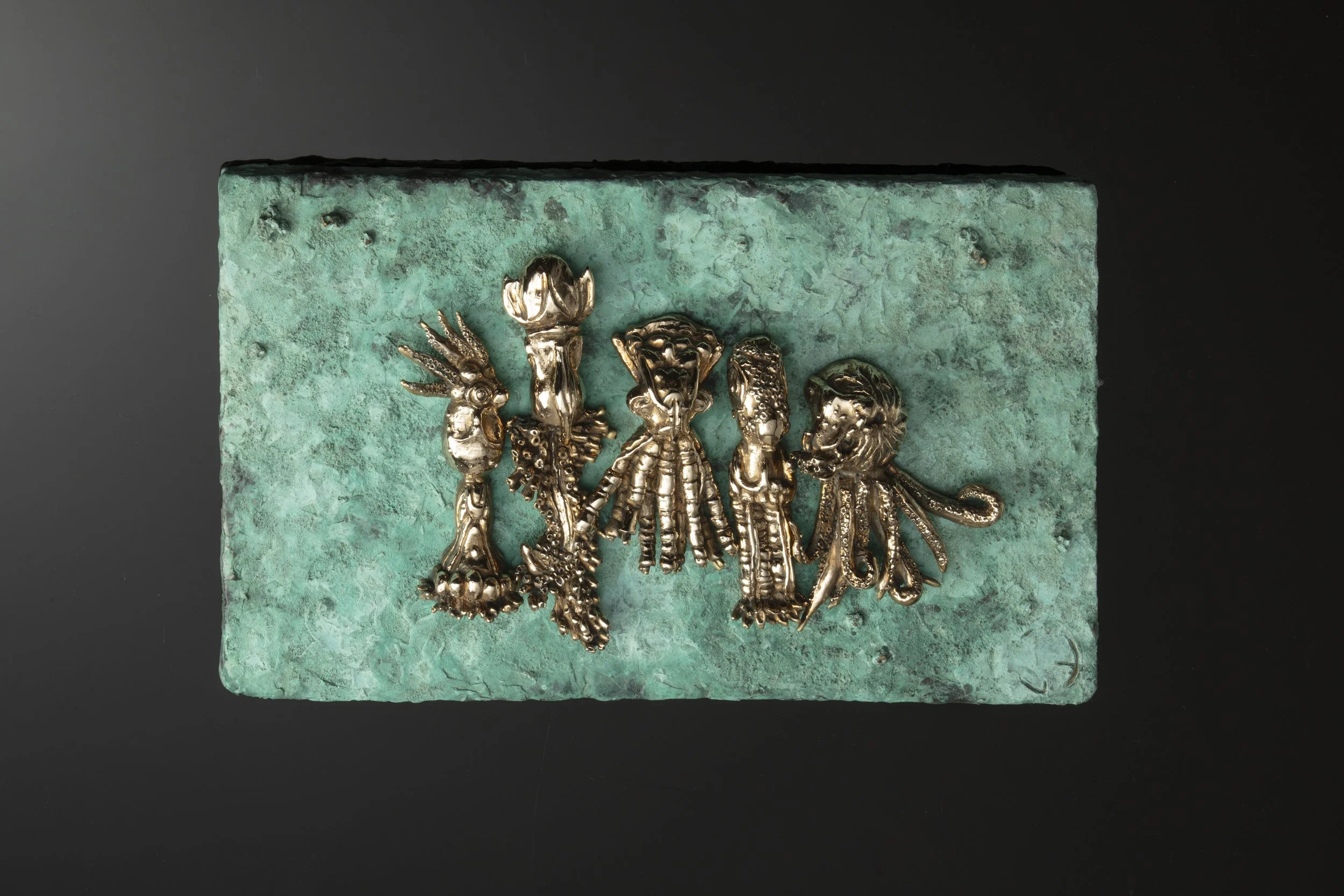
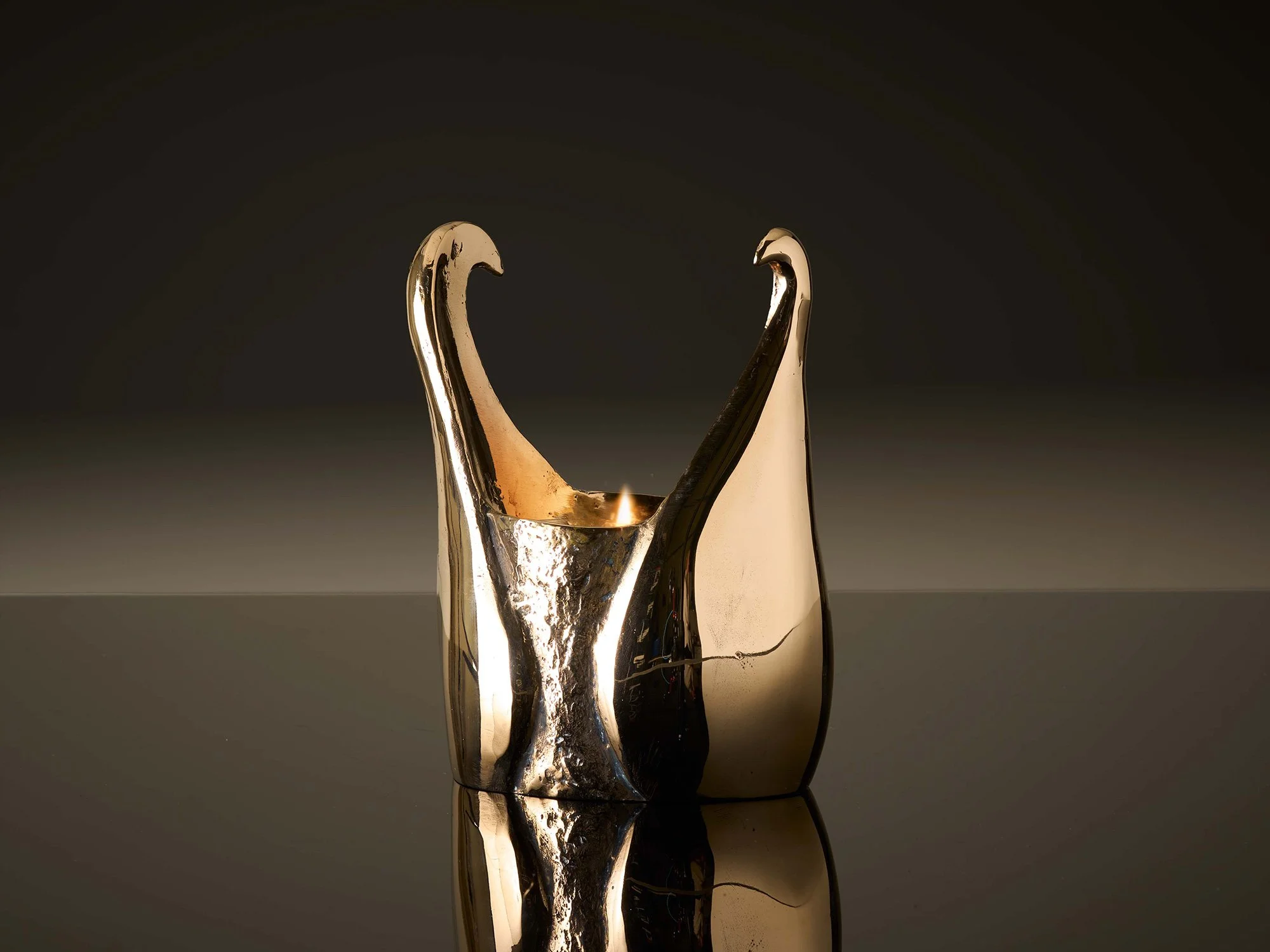
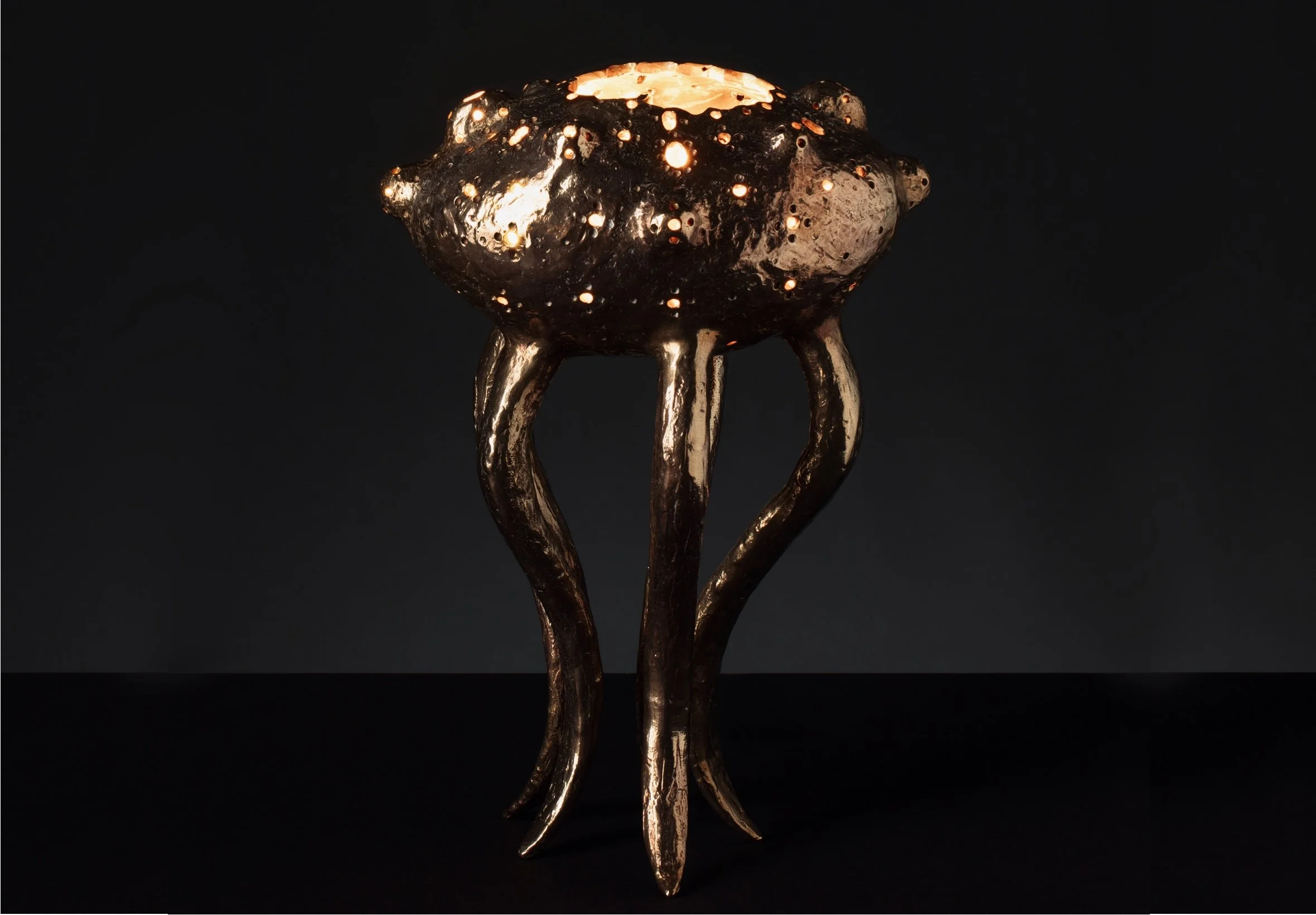
Bad dream by Jeske Haak - 21 × 40 cm, 2023, patina bronze
Jeske Haak and the contemporary language of bronze
For Jeske Haak, bronze is not about monumentality, but about presence.
Her sculptures often reference deep-sea life and imagined organisms, forms that feel both ancient and futuristic. By casting them in bronze, she gives permanence to what is usually unseen or vulnerable. The material choice reinforces the work conceptually: fragile ecosystems translated into a medium that can outlast us.
Jeske works closely with foundries, embracing the slow rhythm of bronze casting. Each sculpture carries subtle variations in surface and tone, no two are identical. The result is work that feels grounded, tactile and quietly powerful.
Why bronze still matters
In a time of speed and ephemerality, bronze insists on duration. It asks for patience, in making, in viewing, in collecting. A bronze sculpture does not shout. It stays. It gathers light differently over the years. It ages alongside the space it inhabits.
That is its strength.
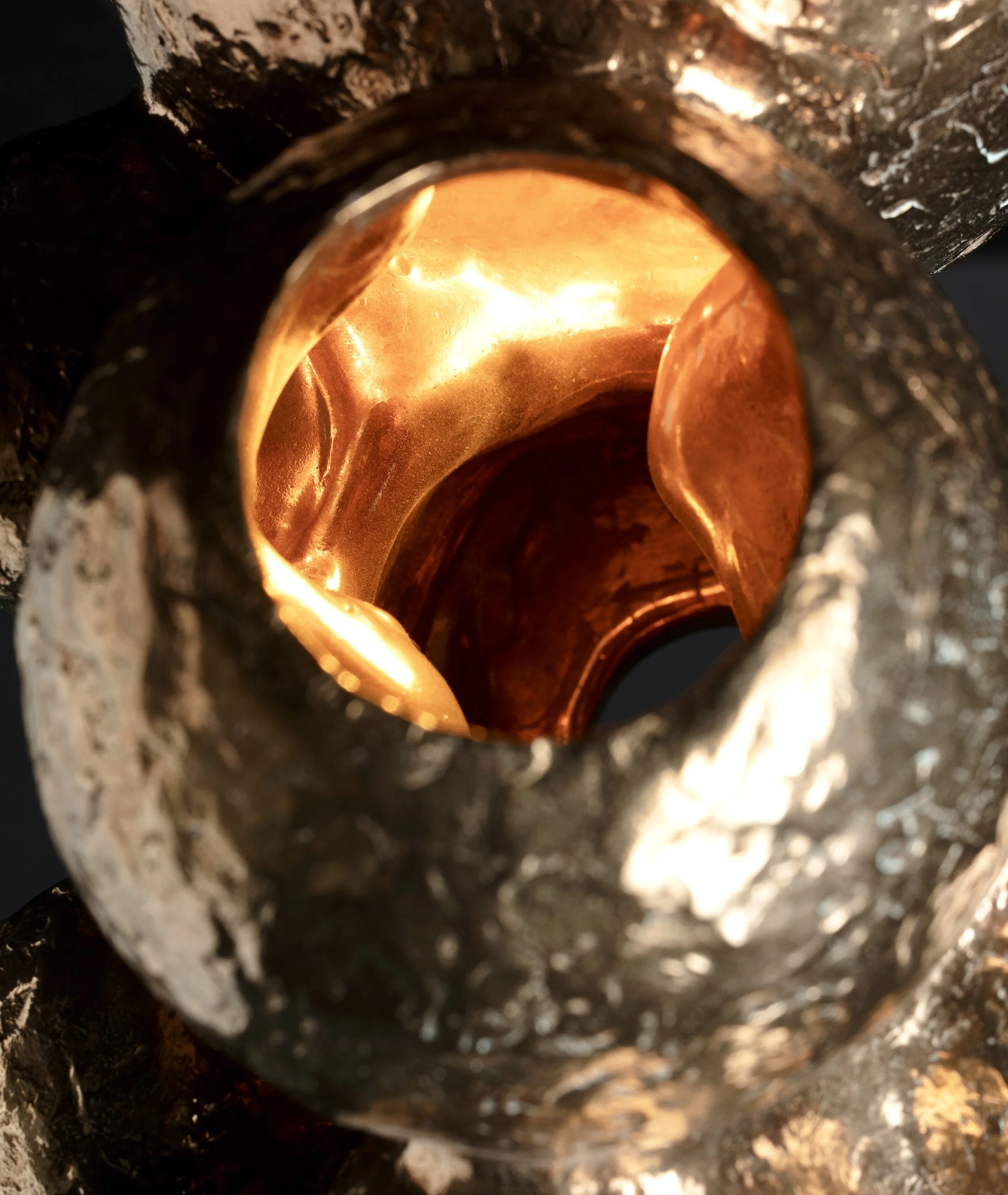
Detail of a bronze sculpture by Jeske Haak
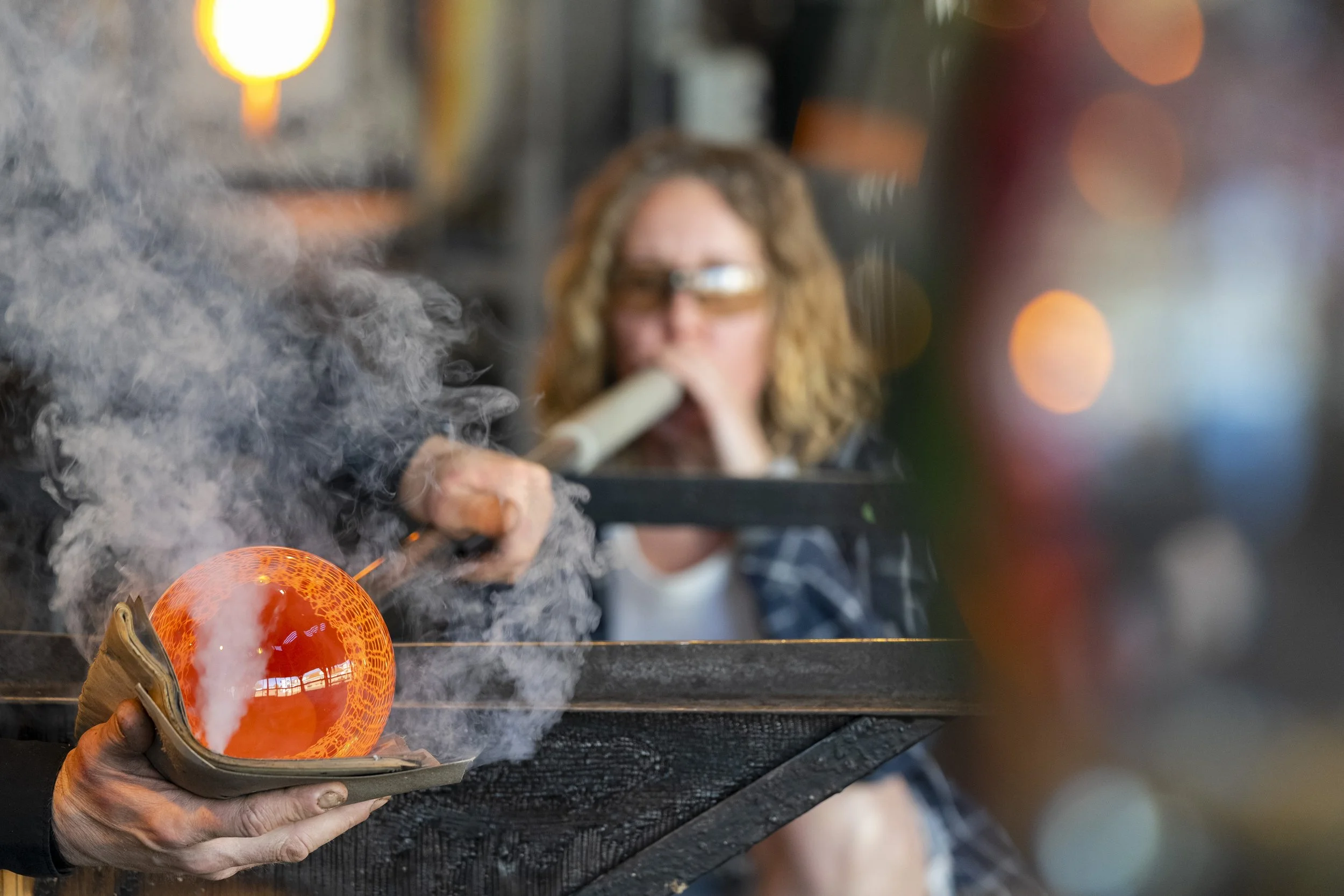
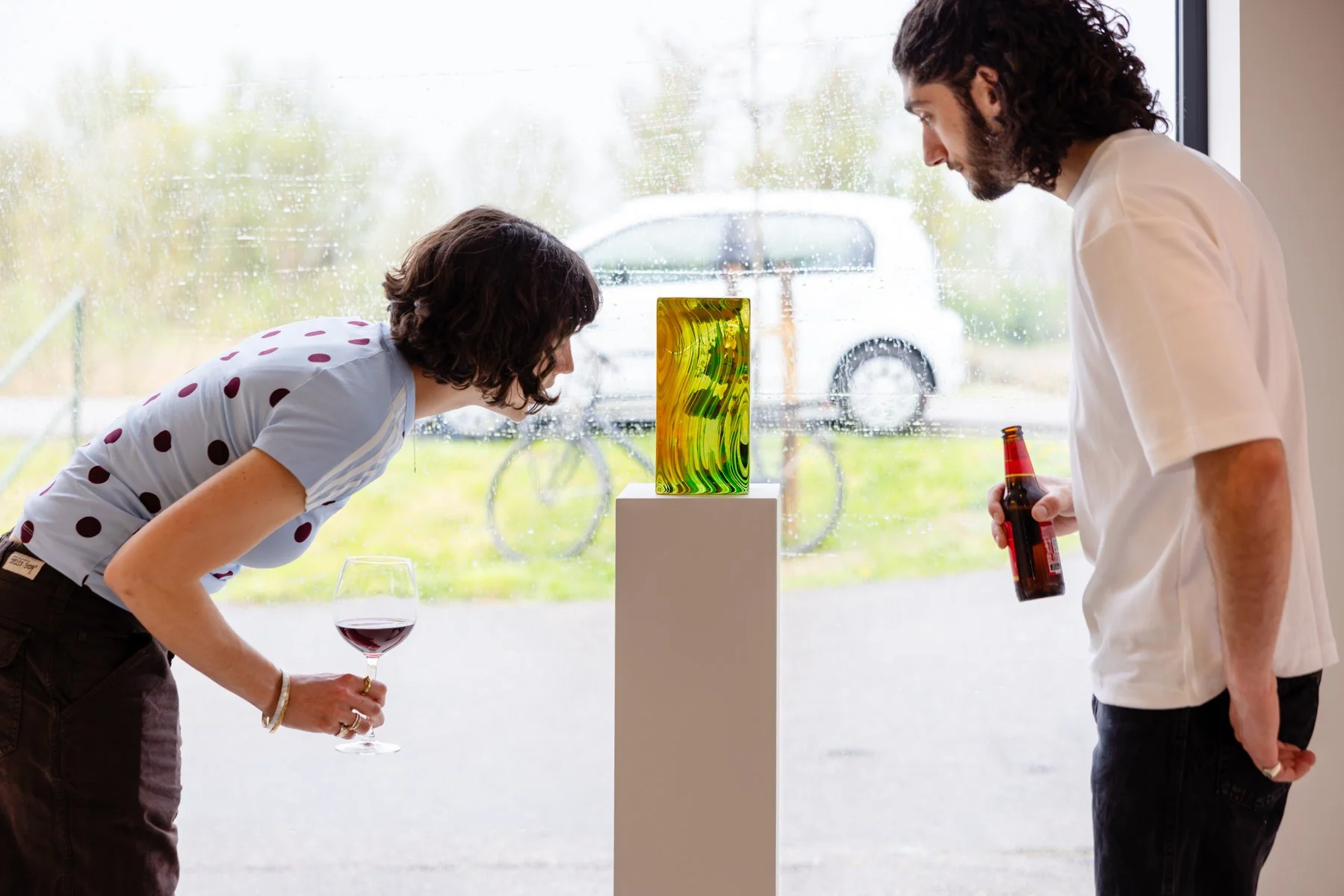
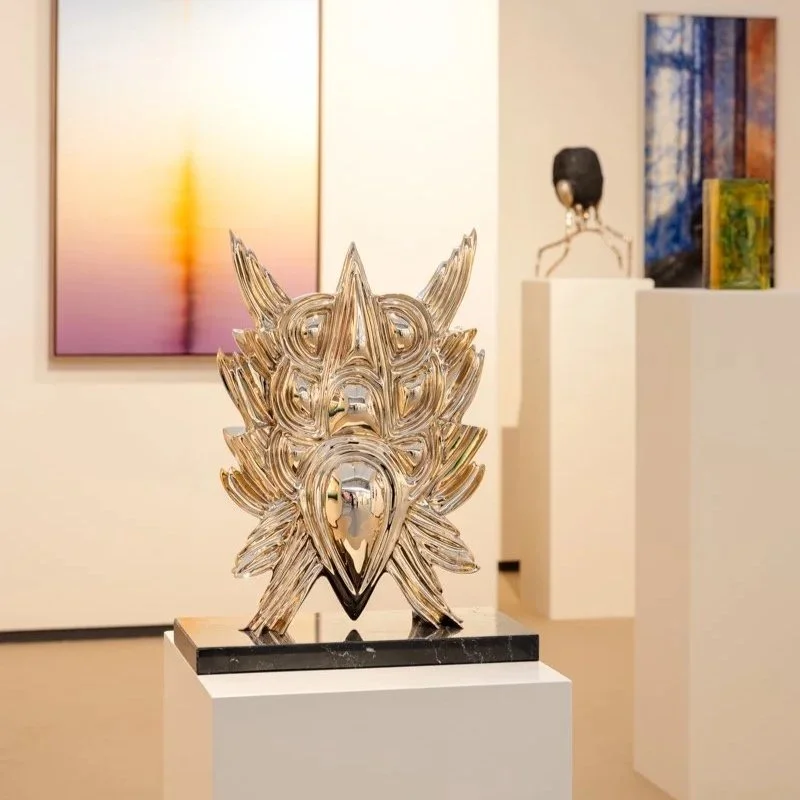


By Jeske Haak
85 × 25 × 25 cm, 2022
Polished bronze, patina bronze
Edition 3/4 + 1 AP
Crown of the Sea, this sculpture by Jeske Haak tells the future story form the romantic perspective. In this story there is a creature with a form that is inspired by a combination of corals, fish and jellyfish. It will tell the story of gardening coral, this is a methode to create healthy eco-systems. This will benefit the organisms of the underwater world with a better quality of life and in the long run, a better future. The "Crown of the Sea" is made up of three distinct elements, each with its own meaning. The bottom section represents eggs, symbolizing the creation and continuation of new life. The middle section is designed as camouflage, essential for the creature’s survival in the mysterious depths of the sea. At the top is the crown, the jewel of the sculpture, representing how the creature nourishes and gives back to the ocean ecosystem. Crown of the sea is part of Faces of the Sea. Faces of the Sea is a work about the future of the underwater world. Where the different faces represent different storylines of the future scenarios. This can be a romantic story or a dark story. The story of these "faces" will be showed in different elements.
Each piece is made to order, with a lead time of approximately three to six months. Delivery within the Netherlands and Belgium is complimentary and arranged with care, either in person or securely shipped. We’re happy to advise on placement and presentation.