How to care for bronze sculptures
A practical guide for collectors
Bronze is one of the most durable materials used in sculpture. With the right care, a bronze artwork can last for centuries, not only structurally, but also in surface quality and character.
Still, bronze is not indestructible. Environment, handling and cleaning habits all influence how a sculpture ages. This guide outlines how to care for bronze in a way that respects both the material and the artist’s intention.
What makes bronze durable, and vulnerable
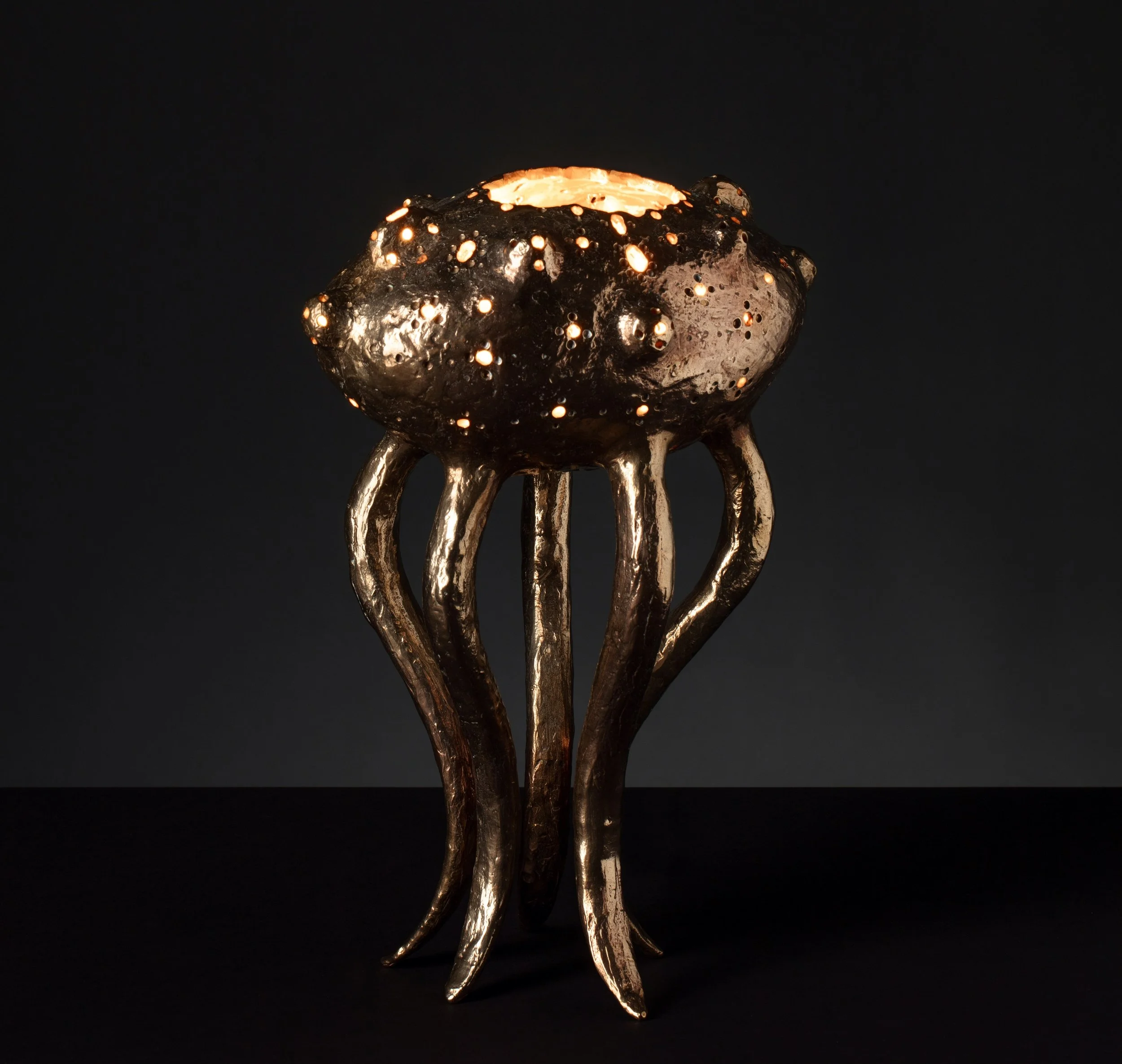
Bronze is an alloy, usually composed of copper and tin. Its strength lies in this combination: it is hard, stable and well suited for detailed casting. At the same time, bronze remains chemically active. It reacts slowly with air, moisture and substances it comes into contact with.
This is why bronze develops patina, a thin surface layer formed through oxidation. Patina is often intentional and aesthetically important. The goal of proper care is not to prevent change altogether, but to ensure that change remains stable and controlled, rather than damaging.
We wrote more about what bronze actually is in an earlier blog.
Where to place a bronze sculpture
Bronze sculptures are best placed in dry, well-ventilated environments with a stable indoor climate.
Avoid:
Bathrooms or small kitchens
Spaces with high humidity
Direct proximity to humidifiers or heat sources
Basements or poorly ventilated rooms
If bronze is placed in a damp environment, moisture can accumulate on the surface and penetrate microscopic pores in the patina. Over time, this may lead to unstable corrosion rather than a protective patina.
Outdoor bronze sculptures require a different maintenance regime and should be assessed individually.
Why moisture is a risk for bronze
Moisture is the single most important factor in bronze deterioration.
In the presence of water - especially when combined with salts or pollutants - bronze can develop active corrosion. This is sometimes referred to as “bronze disease”: a powdery, light-green corrosion that continues to spread if untreated.
Unlike natural patina, this form of corrosion damages the metal beneath the surface. Preventing prolonged exposure to moisture is therefore essential.
Why touching bronze causes damage
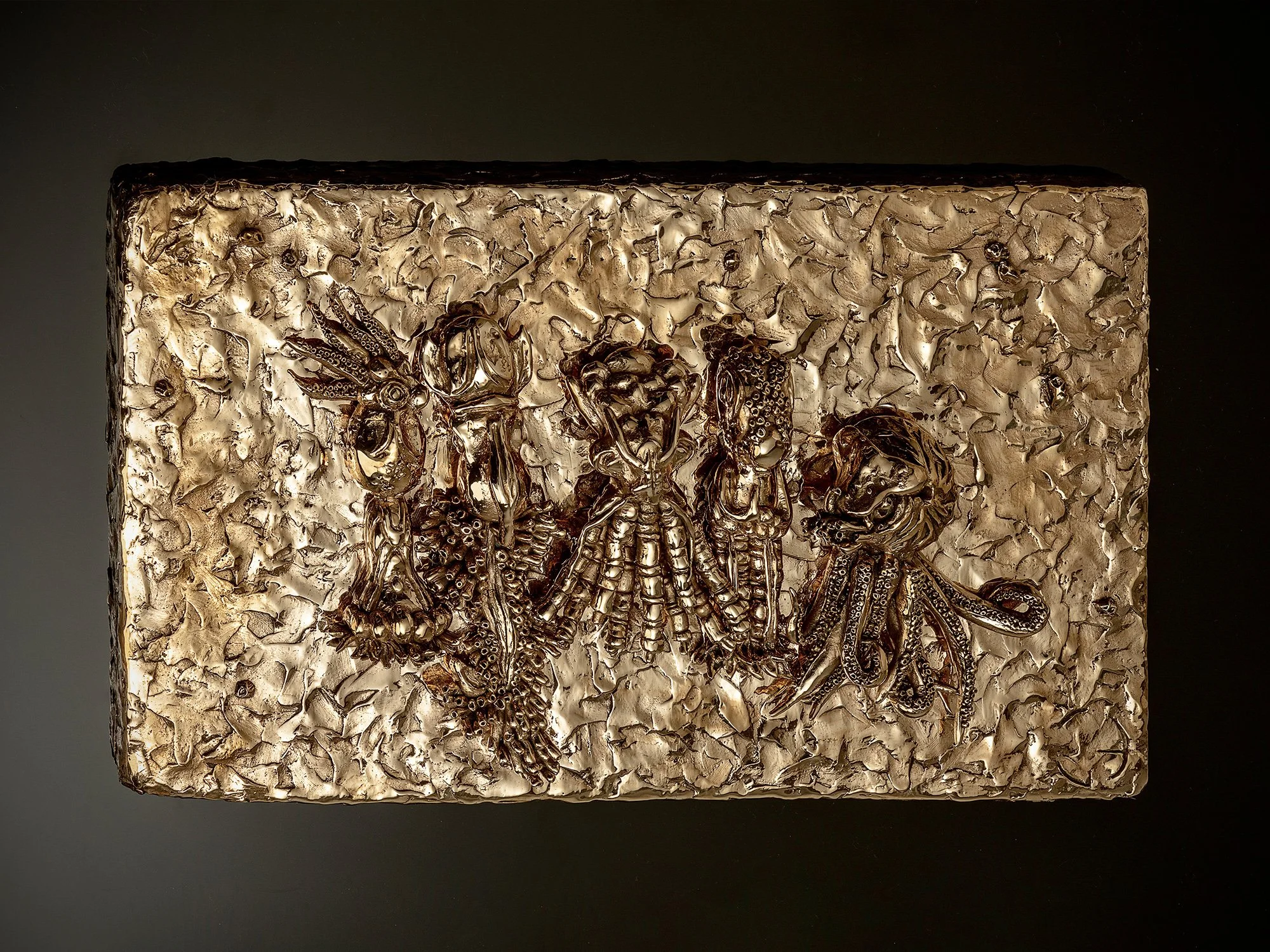
Although bronze feels solid and robust, it is surprisingly sensitive to touch.
Human skin carries oils, acids and salts. When a bronze sculpture is touched with bare hands, these substances transfer to the surface. Over time, fingerprints can:
Etch into the patina
Create uneven discoloration
Accelerate corrosion in specific areas
Repeated touching can also polish away patina on protruding areas, leaving the bronze exposed and visually inconsistent.
For this reason, bronze sculptures should be handled as little as possible. When handling is necessary, use clean cotton gloves or a soft cloth.
How to clean bronze safely
Routine care should be minimal.
For regular maintenance:
Dust gently with a soft, dry microfiber cloth or feather duster
Use a soft brush for crevices
If light cleaning is needed:
Use lukewarm water with a small amount of mild, neutral soap
Apply gently with a soft cloth
Rinse carefully and dry immediately
Avoid:
Abrasive materials
Acidic or alkaline cleaners
Metal polishes not intended for bronze
Excessive scrubbing
Aggressive cleaning can strip patina and permanently alter the surface.

Waxing bronze: when and why
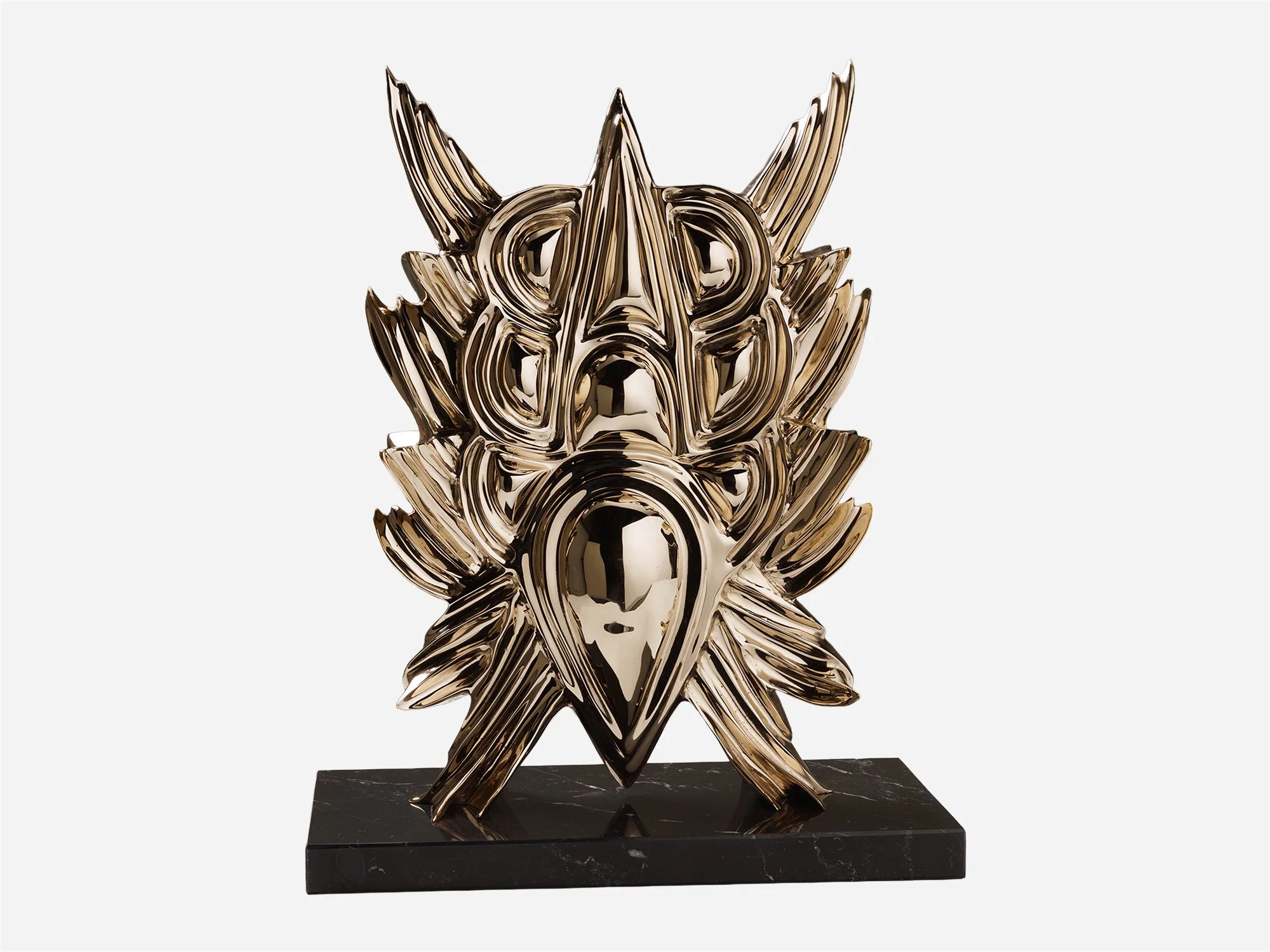
Many bronze sculptures are finished with a protective wax layer. Over time, this layer can thin or wear away.
Re-waxing may be beneficial if:
the surface looks dry or dull
the sculpture has been cleaned
the bronze is exposed to air movement or light handling
This also applies to polished bronze surfaces. Although polished bronze may appear finished, it is often more sensitive to fingerprints and uneven oxidation. A very thin wax layer can help stabilise the surface and preserve its clarity without altering the intended finish.
Use a high-quality microcrystalline or museum-grade wax. Apply sparingly, allow it to dry briefly, and buff gently with a soft cloth.
Waxing should be occasional, not frequent.
Always consult the gallery or the artist before taking action. Do not intervene on the surface yourself.
When to seek professional advice
If you notice:
powdery green corrosion
sticky or uneven surface changes
flaking patina
damage caused by water exposure
Always contact the gallery or the artist first. They can advise whether professional conservation is required and, if so, guide you towards the appropriate specialist.
Avoid attempting to resolve surface issues yourself, early intervention prevents permanent damage.
A note on contemporary bronze works
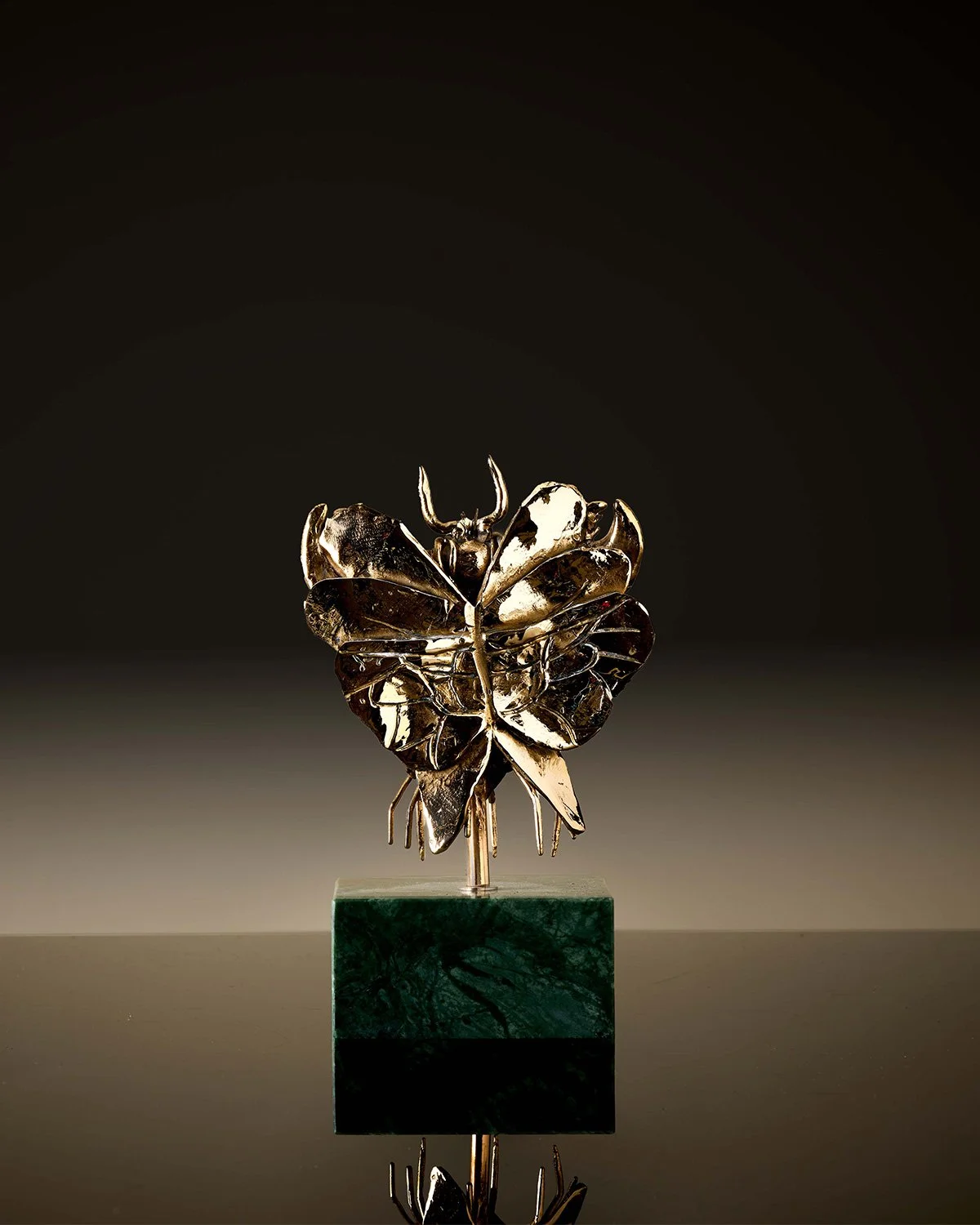
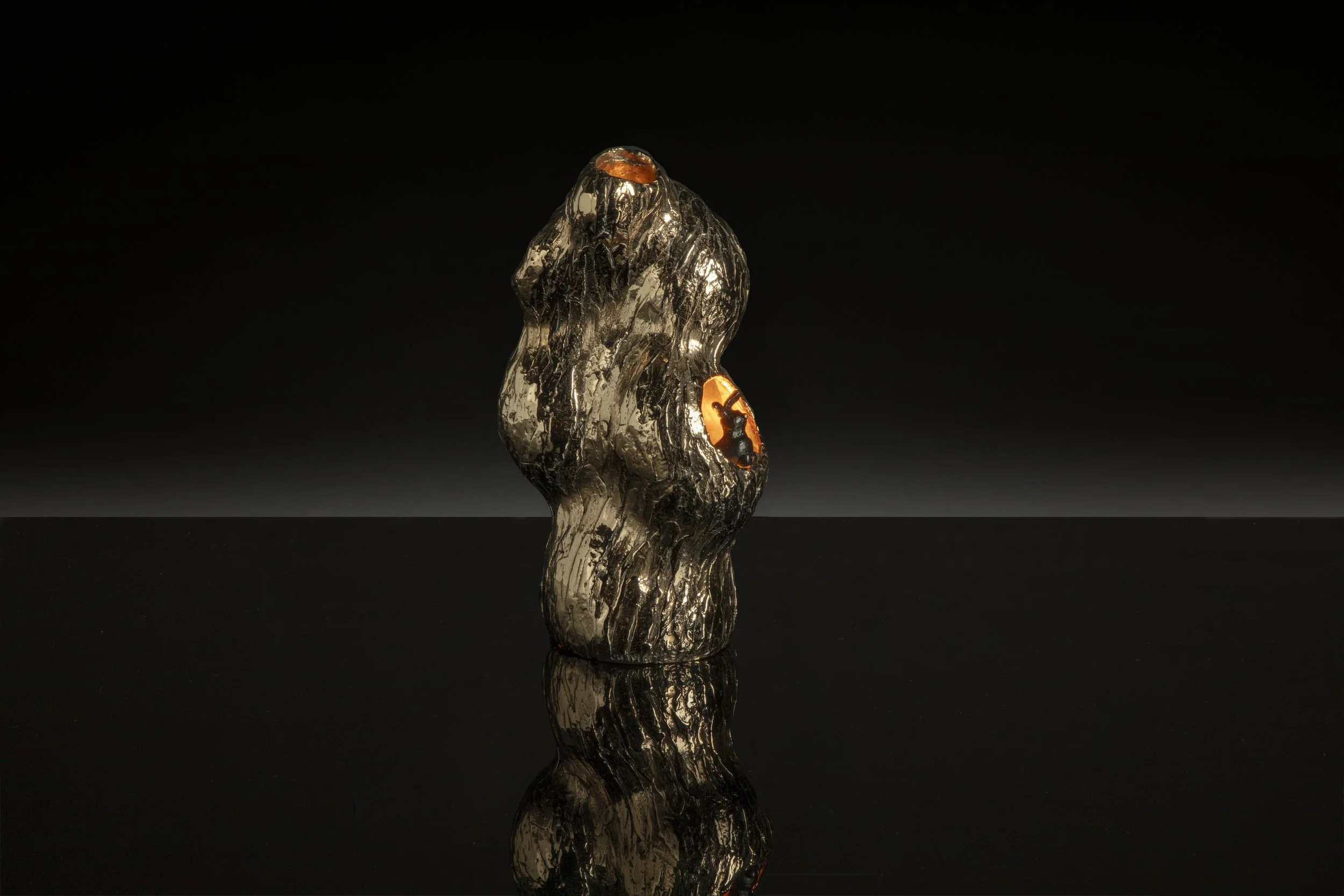
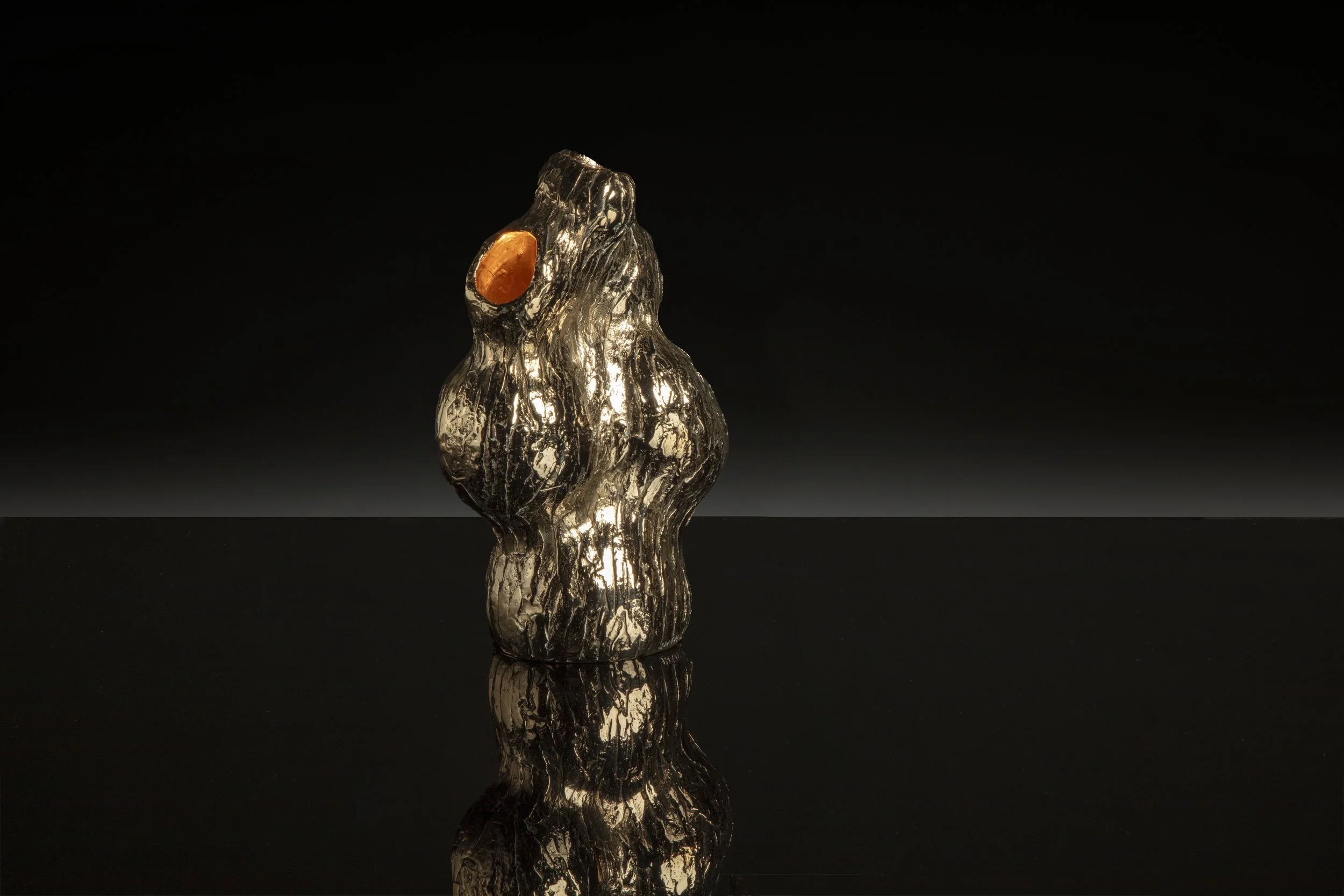
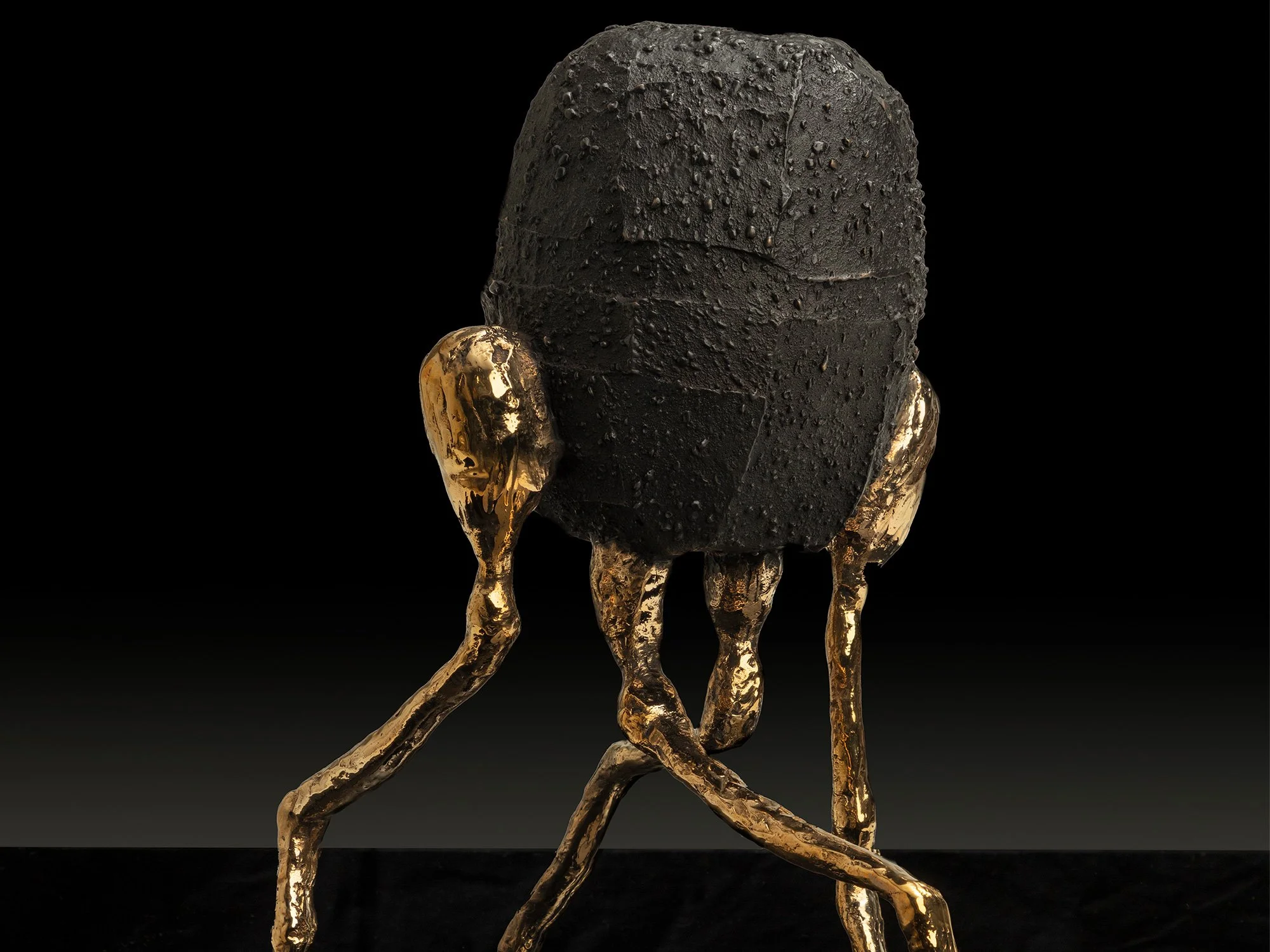
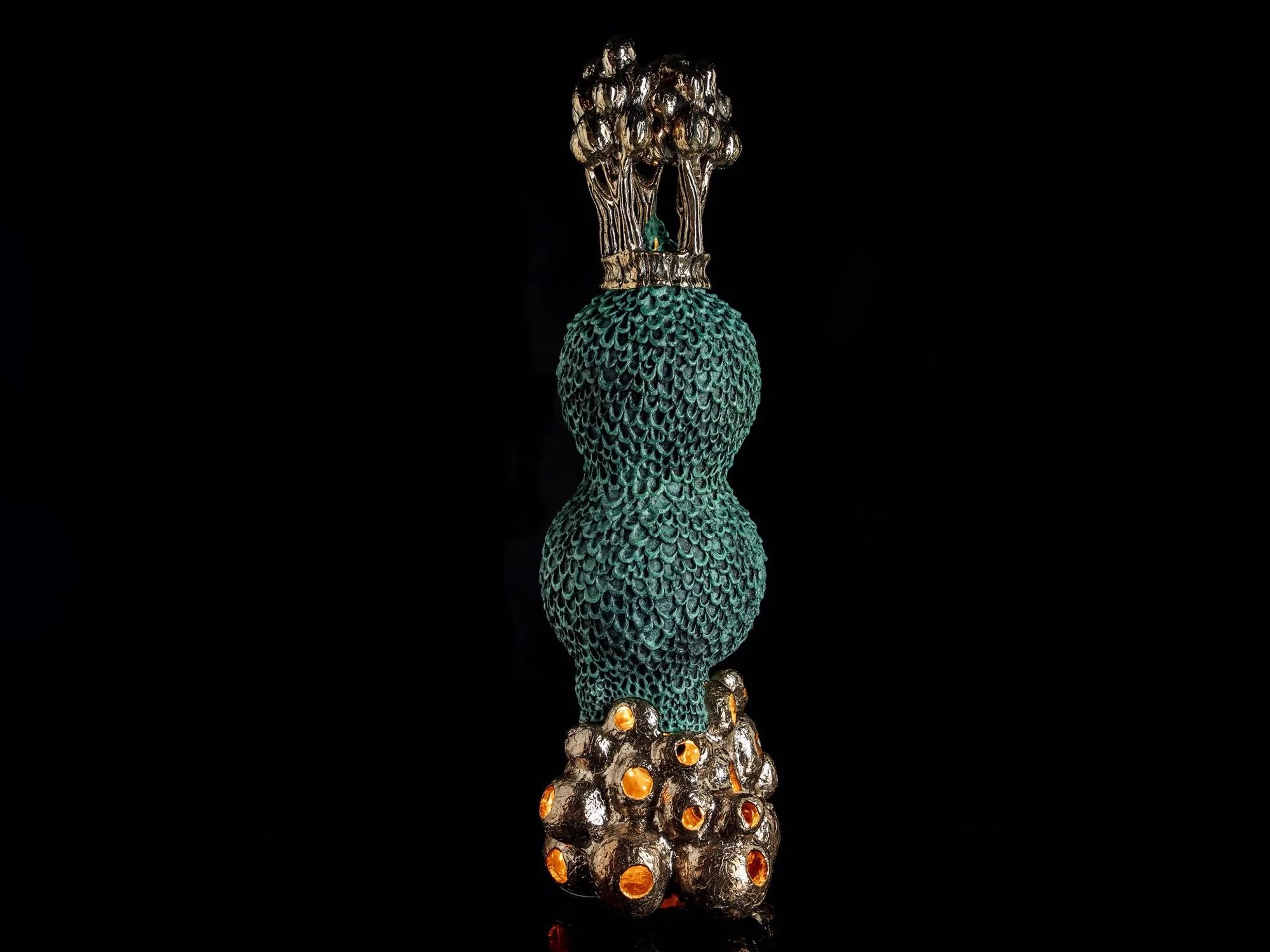
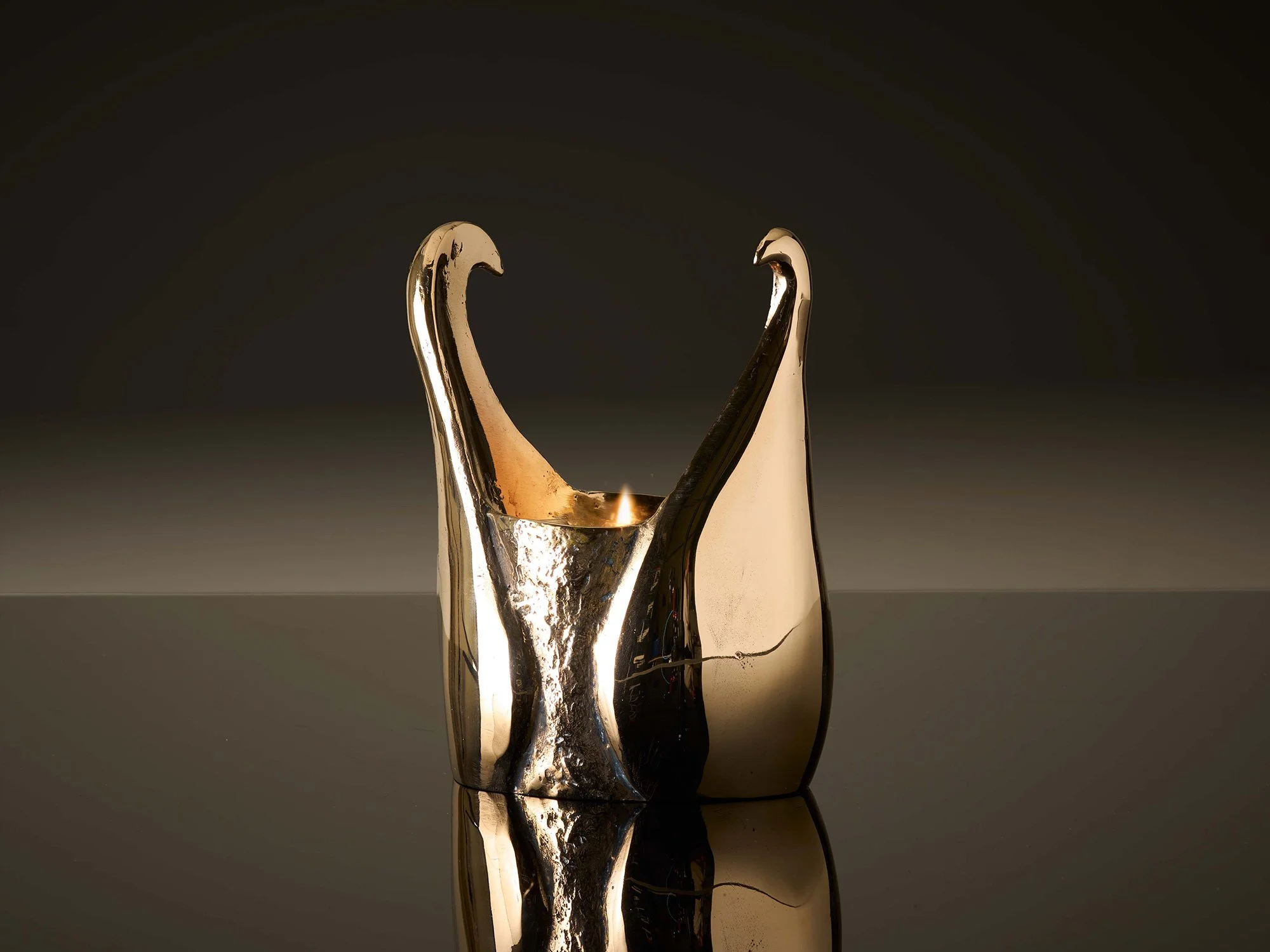
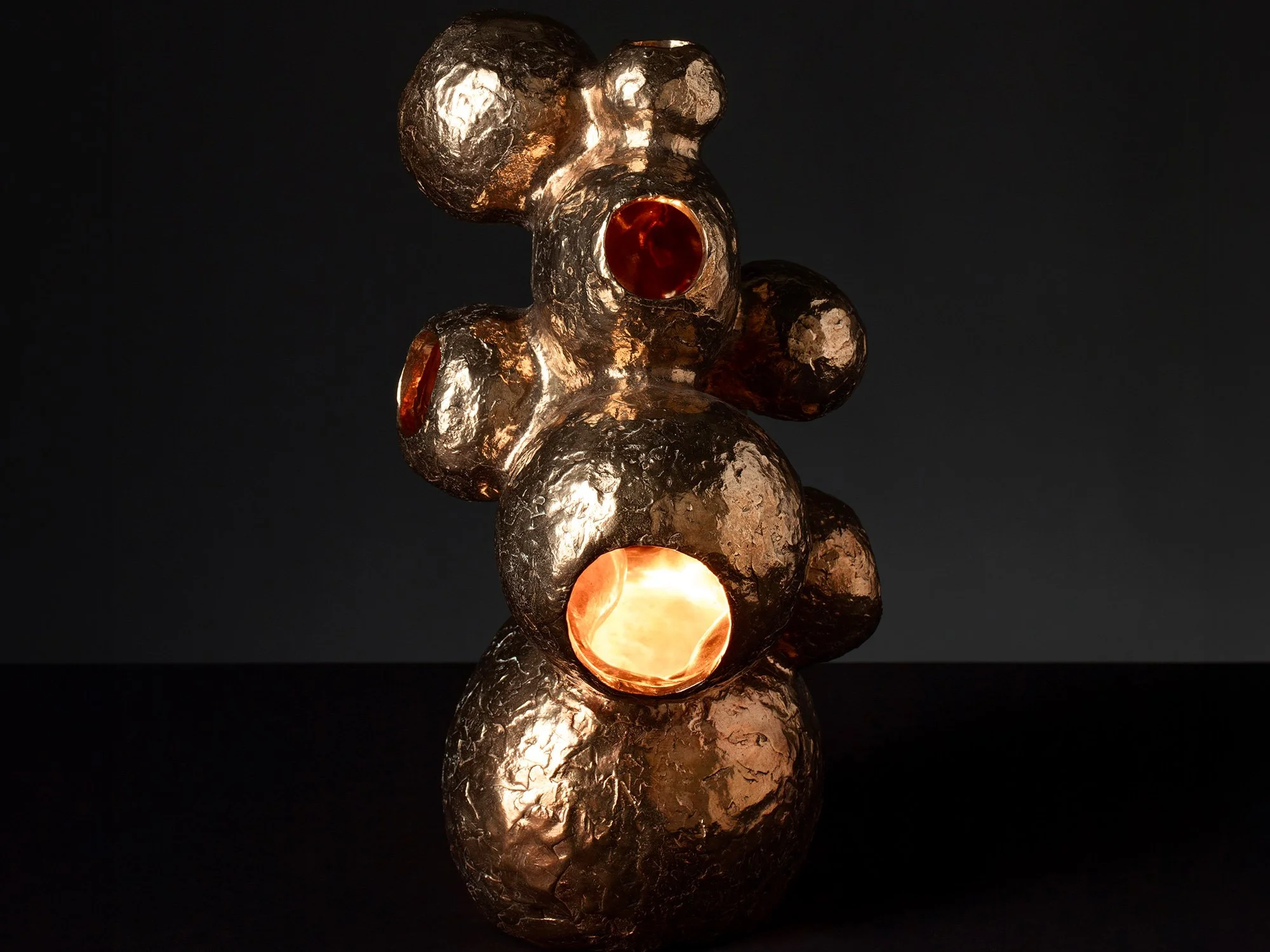
Many contemporary artists work deliberately with patina, texture and surface variation. In works such as those by Jeske Haak, the surface is an integral part of the artwork, not merely a finish.
Care should always aim to preserve the artist’s original intention, rather than to refresh, polish or standardise the appearance.
In conclusion
Bronze rewards restraint.
A stable environment, minimal handling and gentle maintenance are usually enough to ensure that a sculpture ages gracefully. With thoughtful care, bronze does not deteriorate, it settles over time.
That sense of permanence is precisely what makes the material so enduring.