
A glance into the world of Jeske Haak
Sculptures shaped by the unseen rhythms of nature.
We are pleased to introduce Jeske Haak, a sculptor whose practice moves between the seen and the unseen. Her work draws on forms found in nature - from underwater life to insects and hidden ecosystems - and transforms them into hybrid figures that feel both familiar and otherworldly. Working primarily in bronze, she creates sculptures with a strong physical presence, built up through a long and meticulous process of modelling, casting and patination. Some works include subtle use of light, revealing inner spaces and shifting layers that would otherwise remain hidden.
Below you can find the conversation we had with Jeske, offering insight into her inspirations, materials and evolving practice.
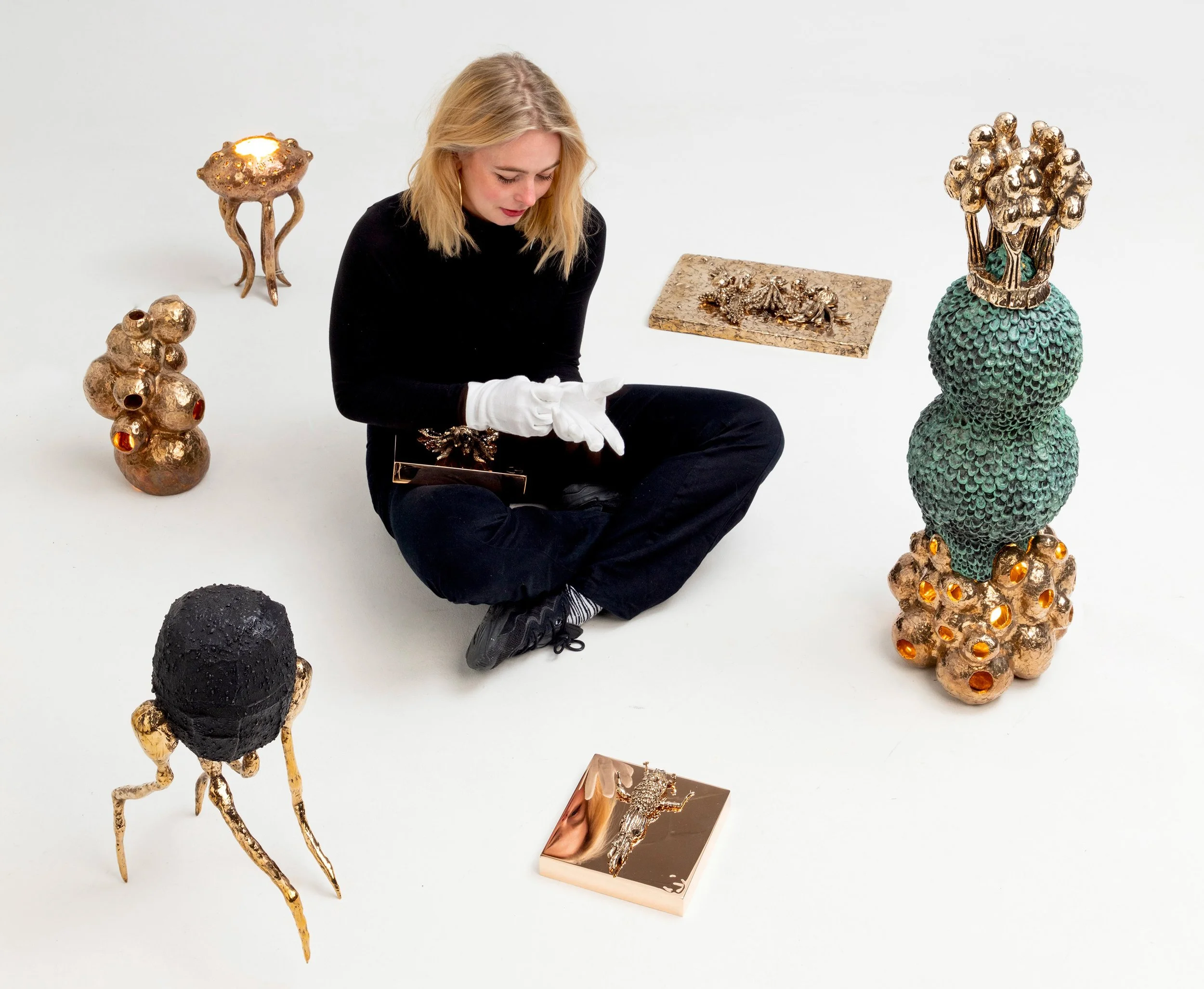
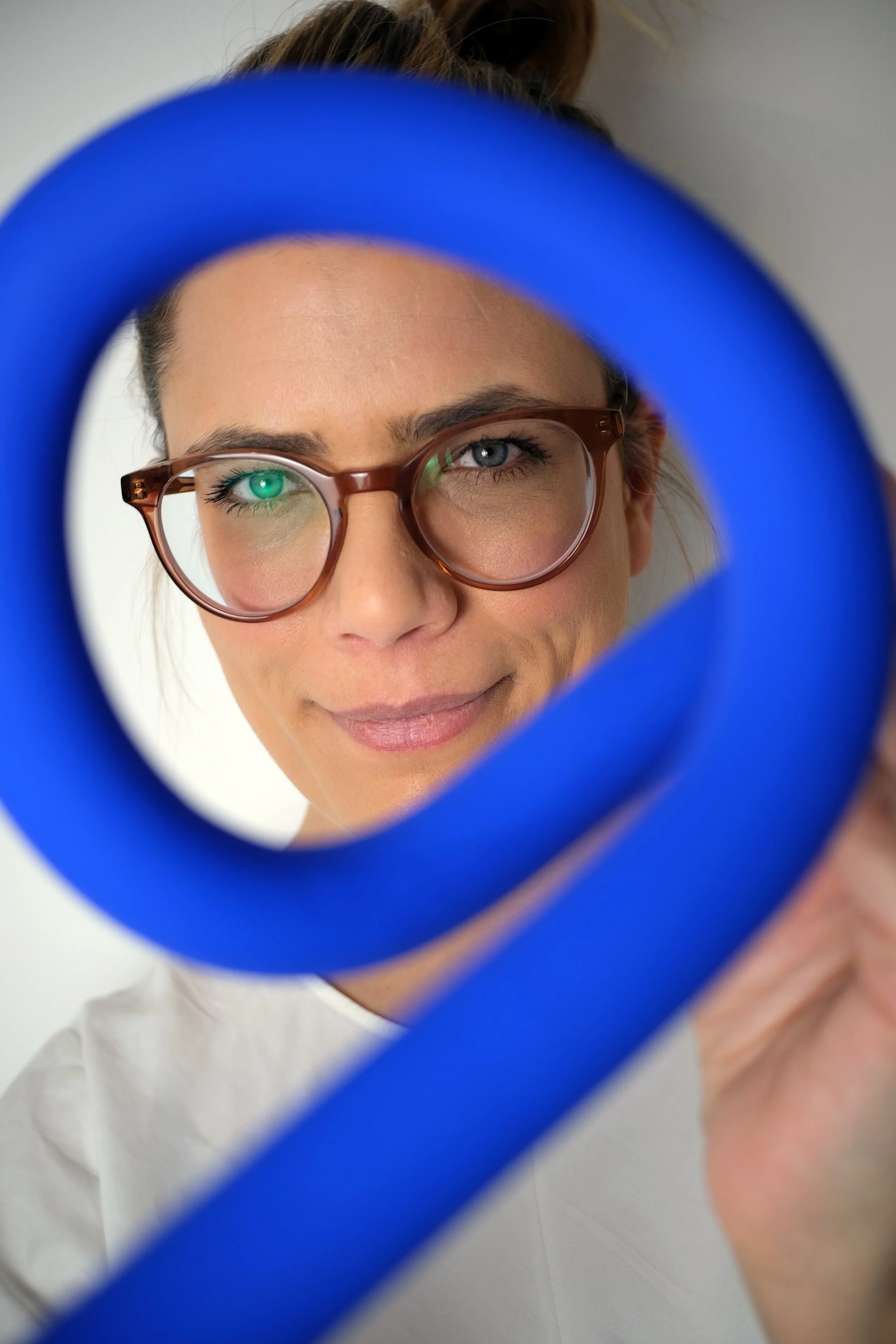
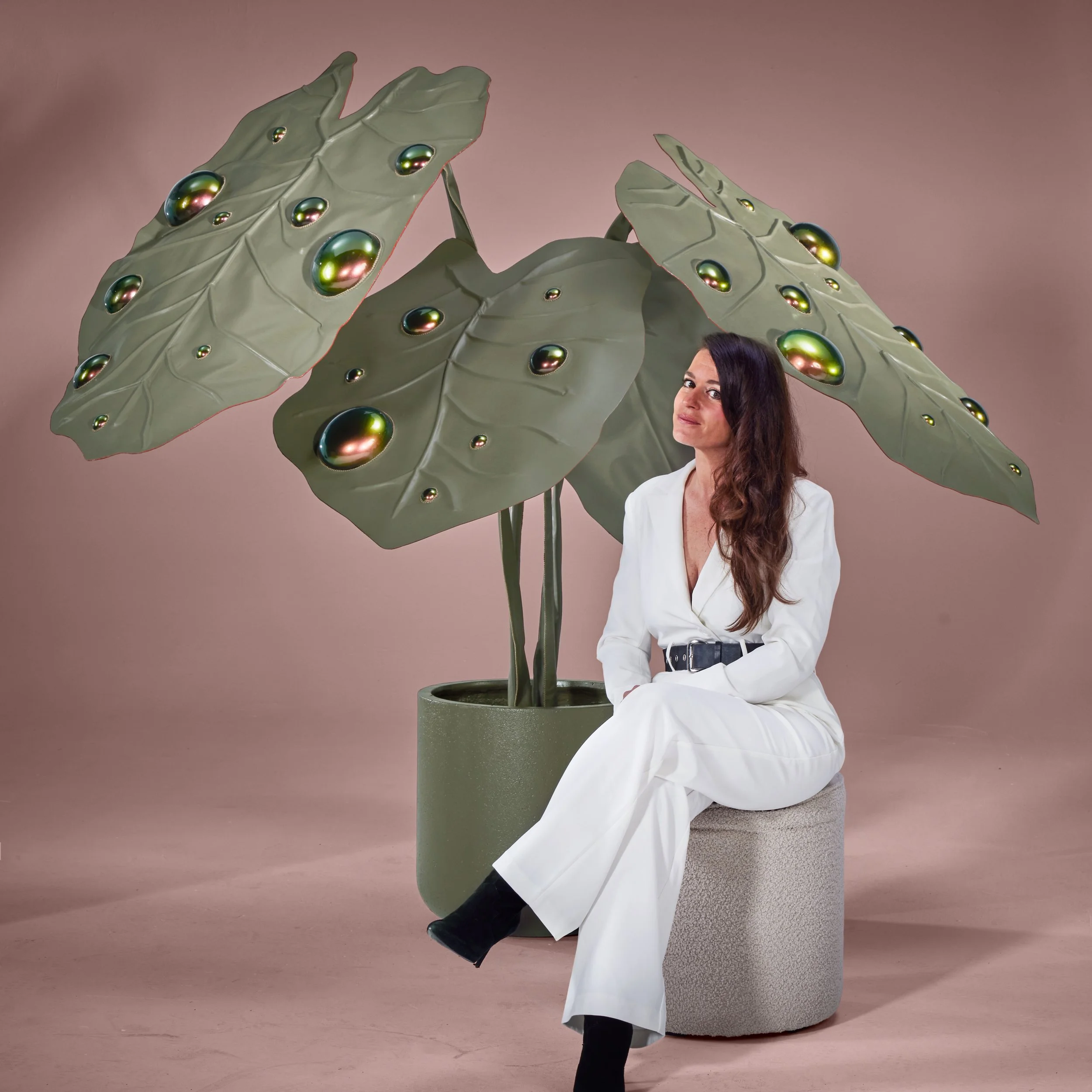
Portrait of Jeske Haak
Q&A with Jeske Haak
1. Your work often revolves around what remains hidden. When did you realise this theme fascinates you so deeply?
As a child I spent a lot of time on the water. My parents own a sailboat, and being at sea made me curious about everything happening beneath the surface. That hidden world felt mysterious, full of shapes you can sense but never fully grasp.
During my graduation I explored this further. I immersed myself in underwater life and found a wealth of forms that inspired me. Over time I began to look at nature more broadly, discovering what lies above water as well: everything underground, the smallest insects, everything that flies around us. By zooming in on these details, I find new ideas for creating works in which reality and imagination flow together.
2. You create hybrid beings that move between reality and imagination. How do these forms take shape in your mind?
They emerge from observing natural elements and reshaping them. The sculptures are based on real forms, but re-created in a way that preserves their organic character, something essential to me. They sit in that tension where you briefly wonder whether the form could exist in nature. That space between fiction and reality is where the work comes alive for me.
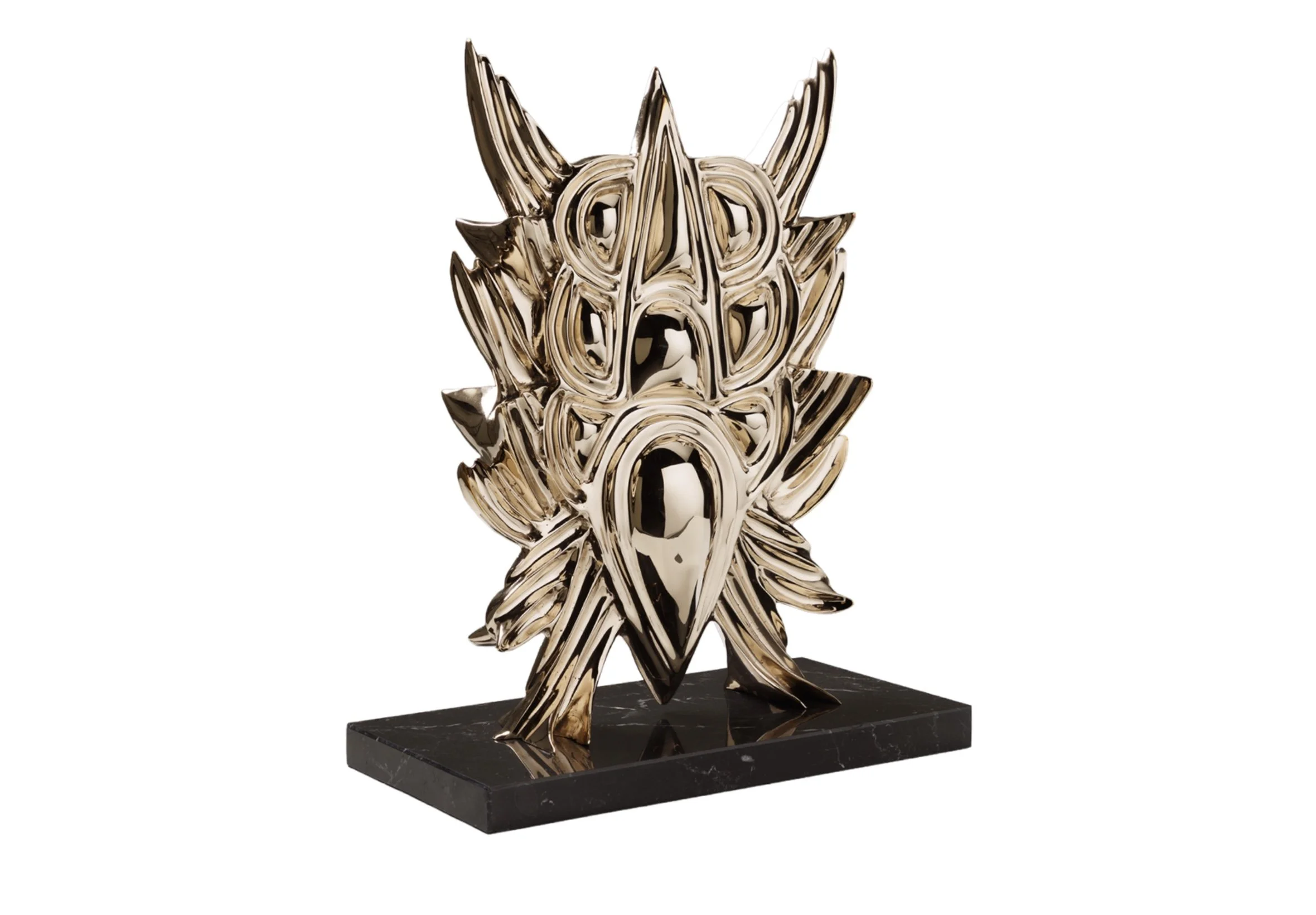
3. What draws you most to working with bronze?
Bronze gives me endless possibilities. It’s strong, durable and refined at the same time. I can create smooth, reflective surfaces or rough, organic textures. That versatility is crucial for my work.
There is also the time it requires. Every sculpture goes through a long process of casting, finishing and patination, often weeks or months. That intensity creates a deep connection with the material.
And bronze has a certain permanence. It allows the sculpture to exist far beyond our own time. Just as nature leaves powerful traces, I hope my work can become something lasting as well.
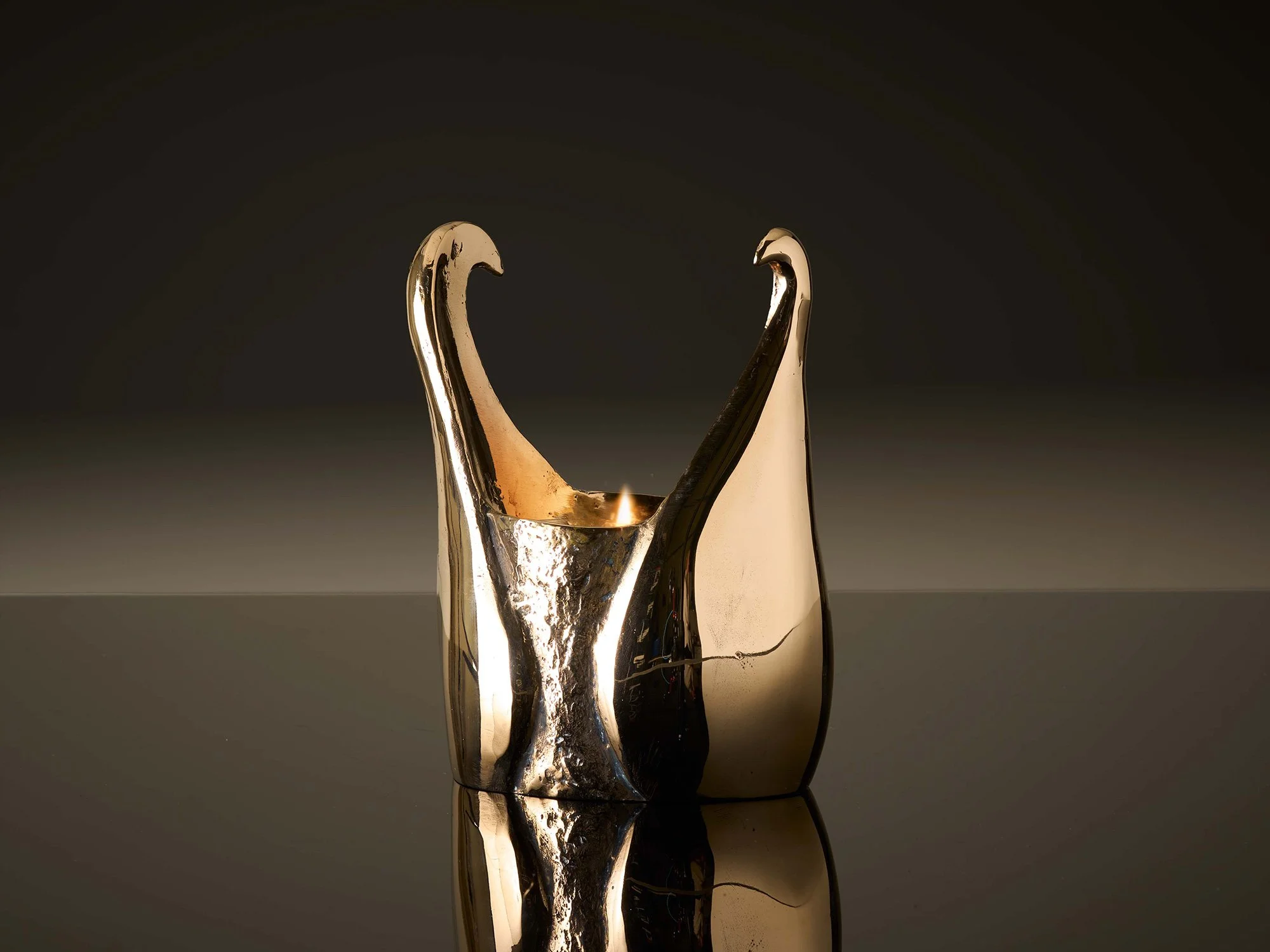
4. Some of your sculptures include light. Do you see light as part of the material, or as a separate element?
I only add light when it truly strengthens the sculpture. It’s never decorative. Light can highlight details or reveal an interior that would otherwise remain hidden.
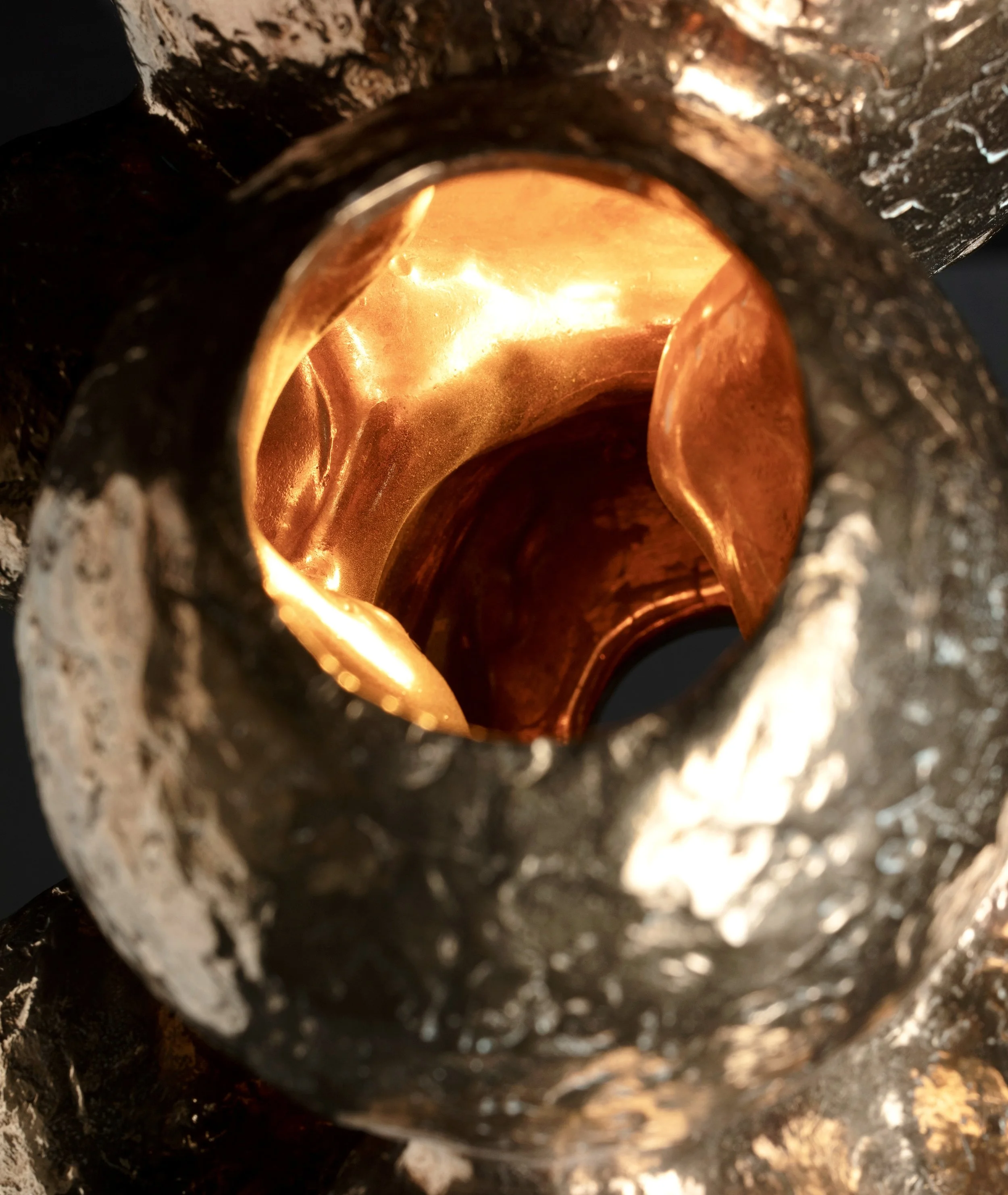
For example, in The Rabbithole I used light to illuminate the inside of the sculpture. That subtle glow reveals the smooth inner surface and creates the feeling you could actually look inside a burrow, as if you’re being drawn into another world. Light becomes an extra layer that deepens the work.
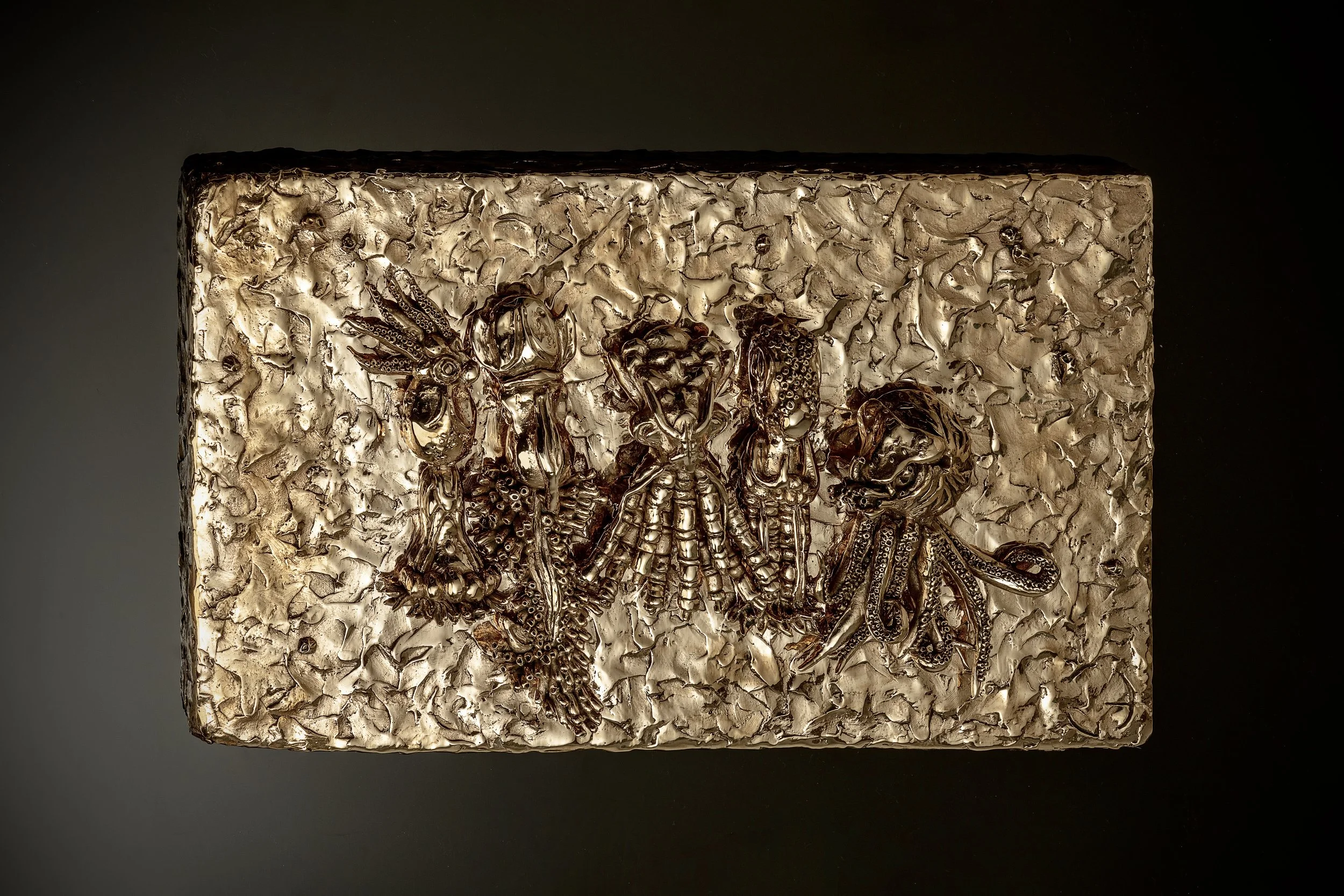
Bad dream by Jeske Haak
5. Many of your works are connected to stories or metaphors. How important is that narrative aspect to you?
I don’t start with a fixed narrative. While working, a thought, feeling or context naturally develops. It becomes an additional layer. You can experience the work purely through form and material, but once you know the story it opens up a different way of looking.
The narrative doesn’t explain everything literally, it invites the viewer to think further or see differently. It’s a gift you can either take with you or interpret in your own way.
6. What do you want people to feel when they encounter your work for the first time?
I hope people see an organic form that feels familiar, yet not immediately recognisable. Something natural, but also slightly alien, as if it could come from a world we don’t always see. That moment of wonder, pausing, looking again: that is what I find important.
Ideally the work encourages a more attentive way of looking, not only at the sculpture, but at the world around us. Nature holds so much beauty, in every layer of the earth, and I hope my work helps people rediscover that.
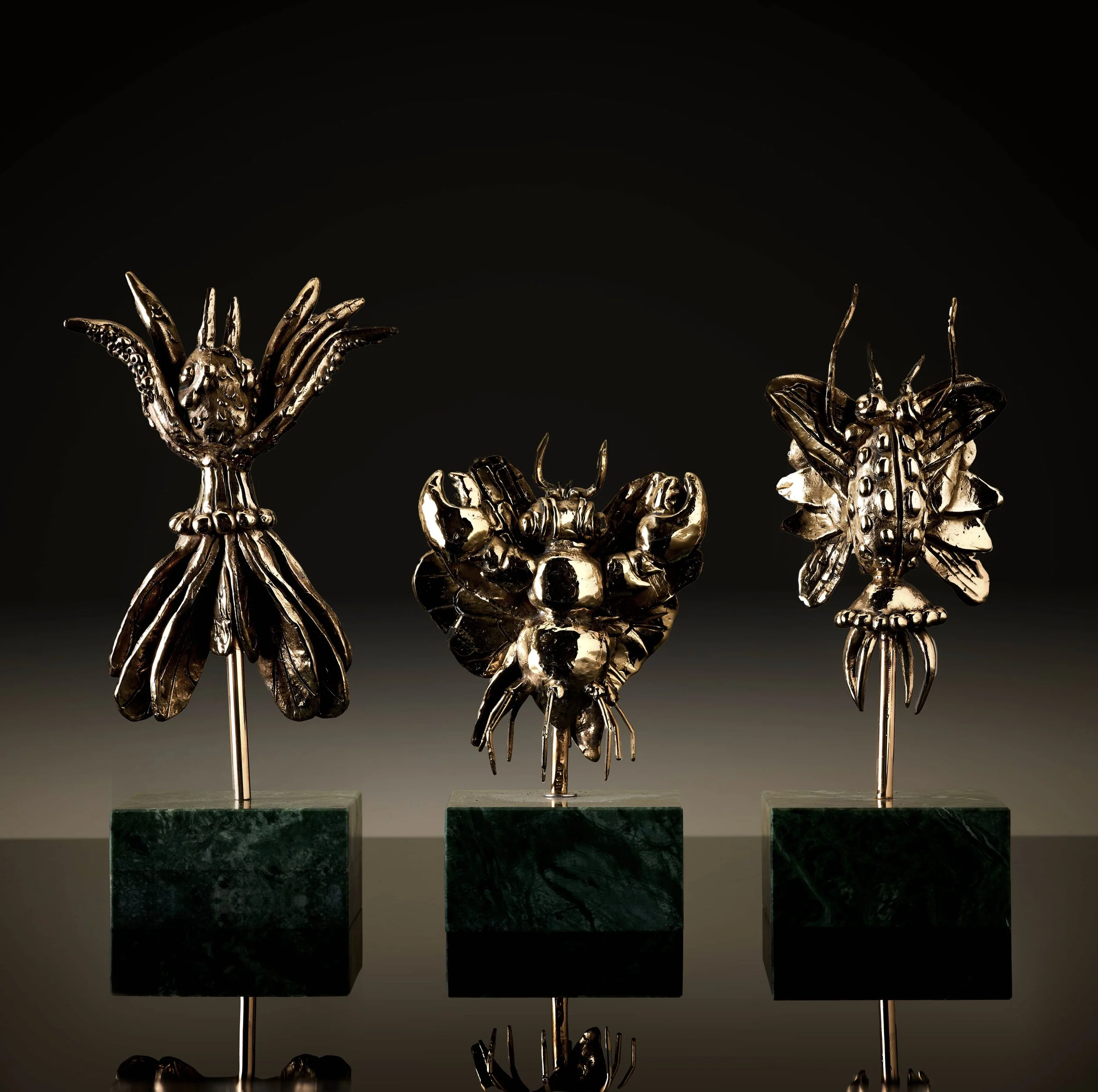
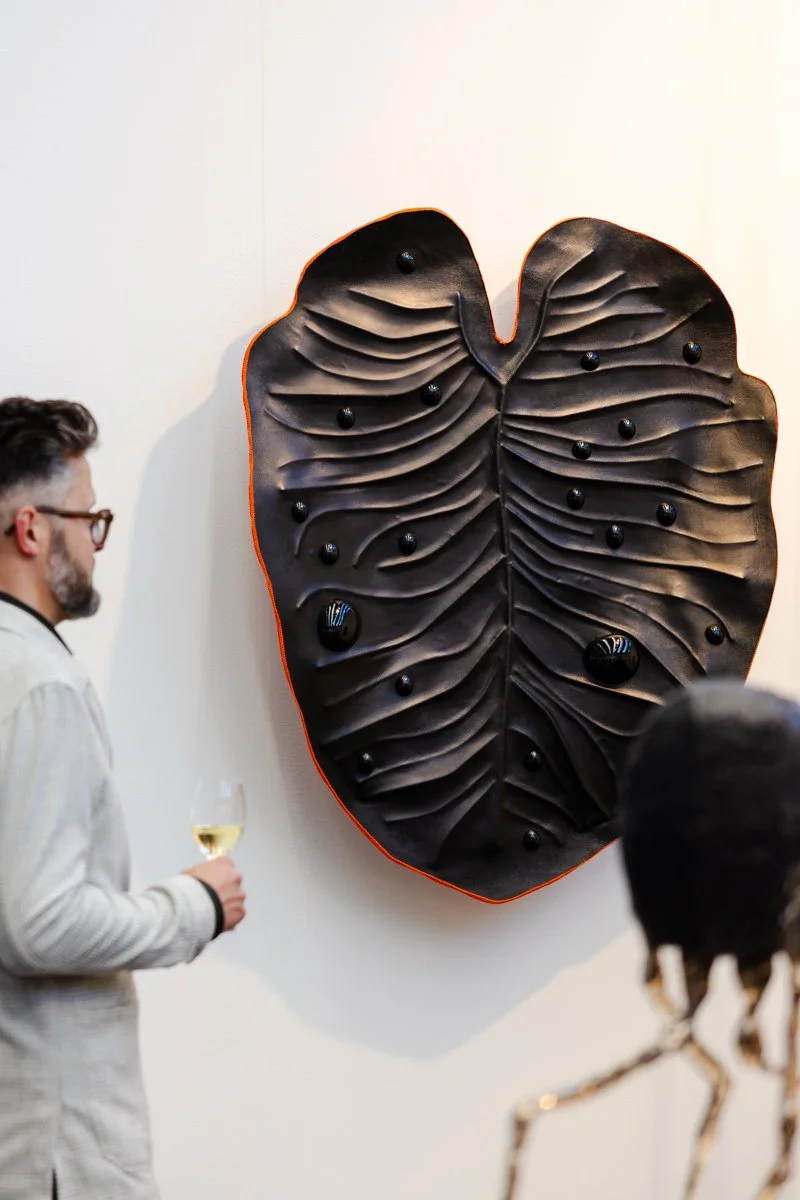
Flower series by Jeske Haak
7. Since graduating, which development in your practice has surprised you the most?
The transition after graduation was both exciting and challenging. At the academy I had the freedom to experiment; afterwards I had to make choices, what to make, how to present myself, how to build a practice.
I gave myself time to create a body of work. That helped me develop my own visual language and gain confidence. Three years later I feel much more grounded as an artist, though I’m still learning.
What surprises me most is how much there still is to learn, from materials to presentations at fairs to collaborations with galleries. The artistic process keeps evolving, and that’s the beauty of it.
8. Where does your curiosity lie now, which forms, materials or themes do you want to explore next?
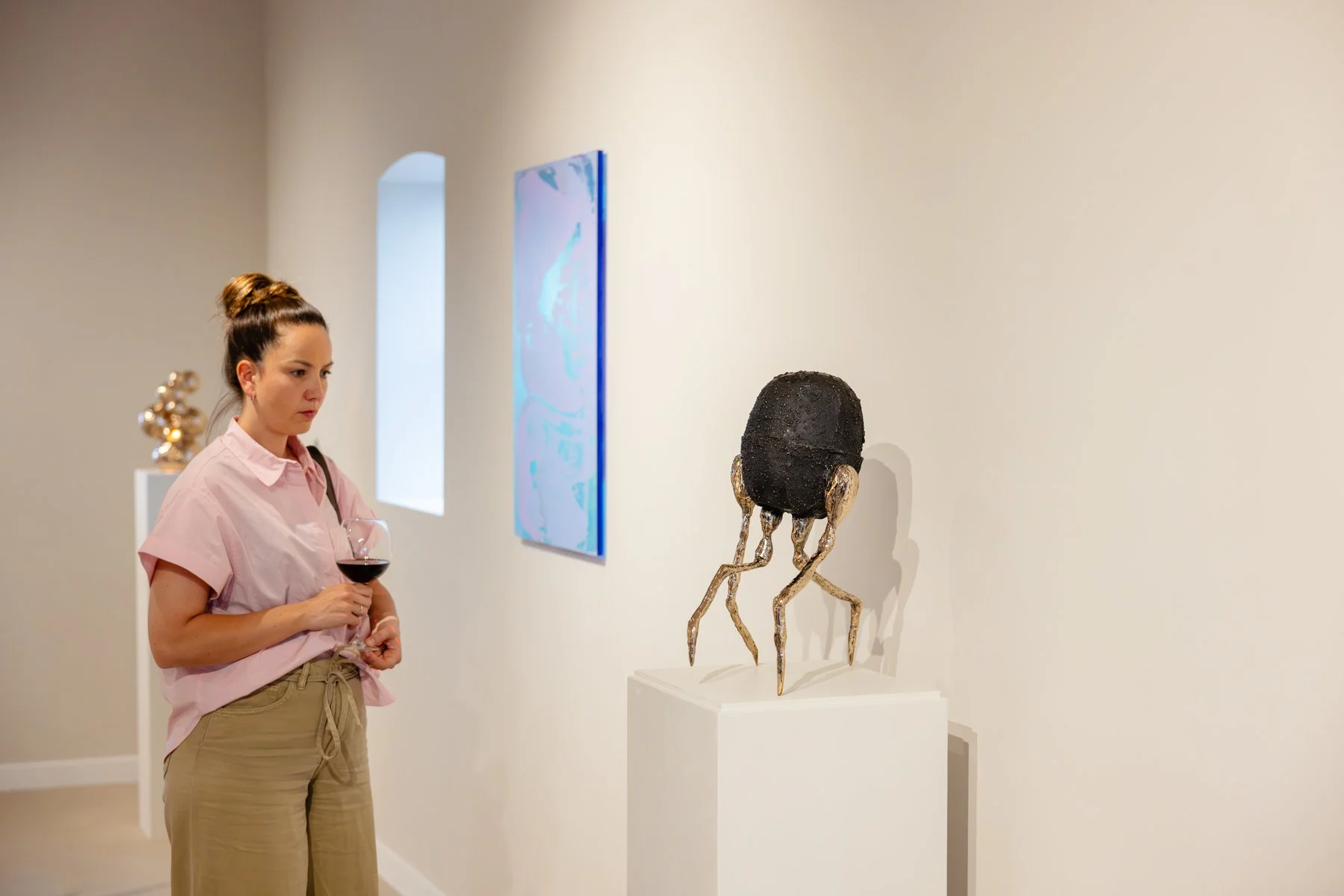
I’m working on a new collection focusing on insects. I’m inspired by ancient Egypt, where insects often held symbolic or spiritual meaning. I want to give these small creatures a new kind of dignity, elevating them into figures that feel almost divine.
Insects are often overlooked, yet they are essential to ecosystems and incredibly fascinating in form. With this collection I want to give them a stage and make them visible in the most compelling way I can.
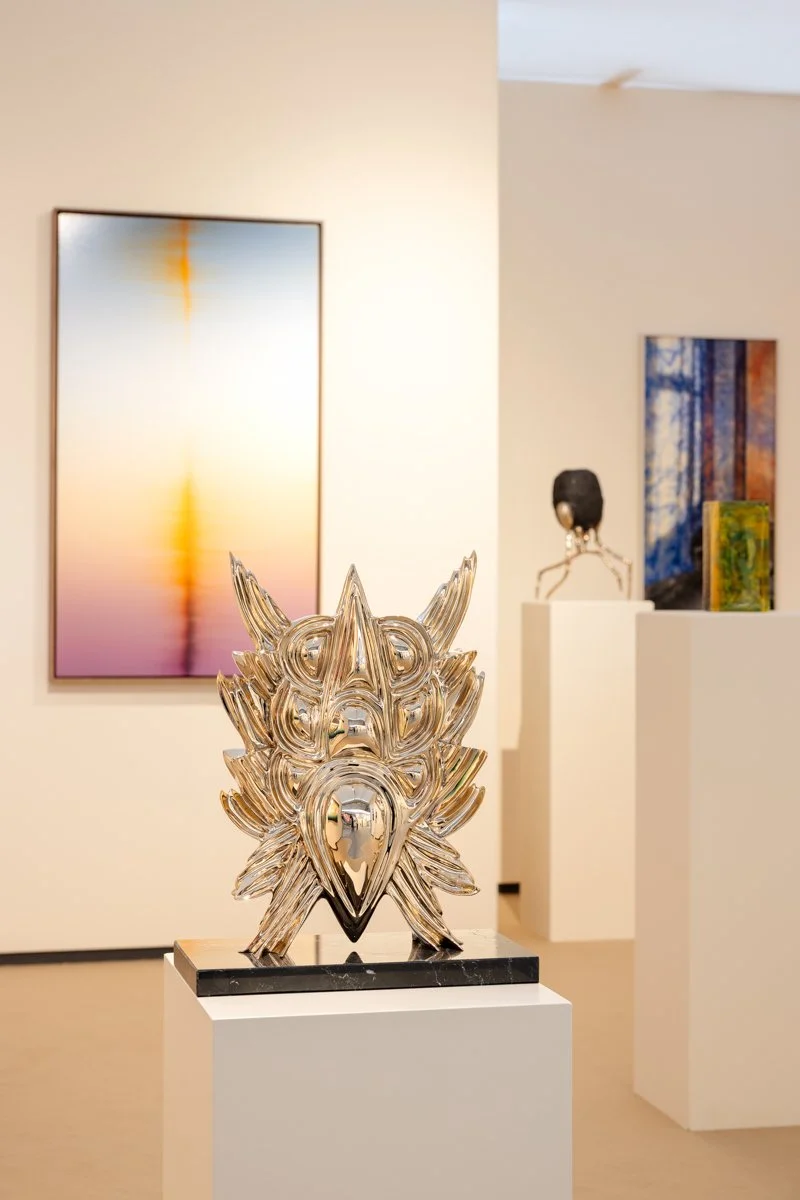
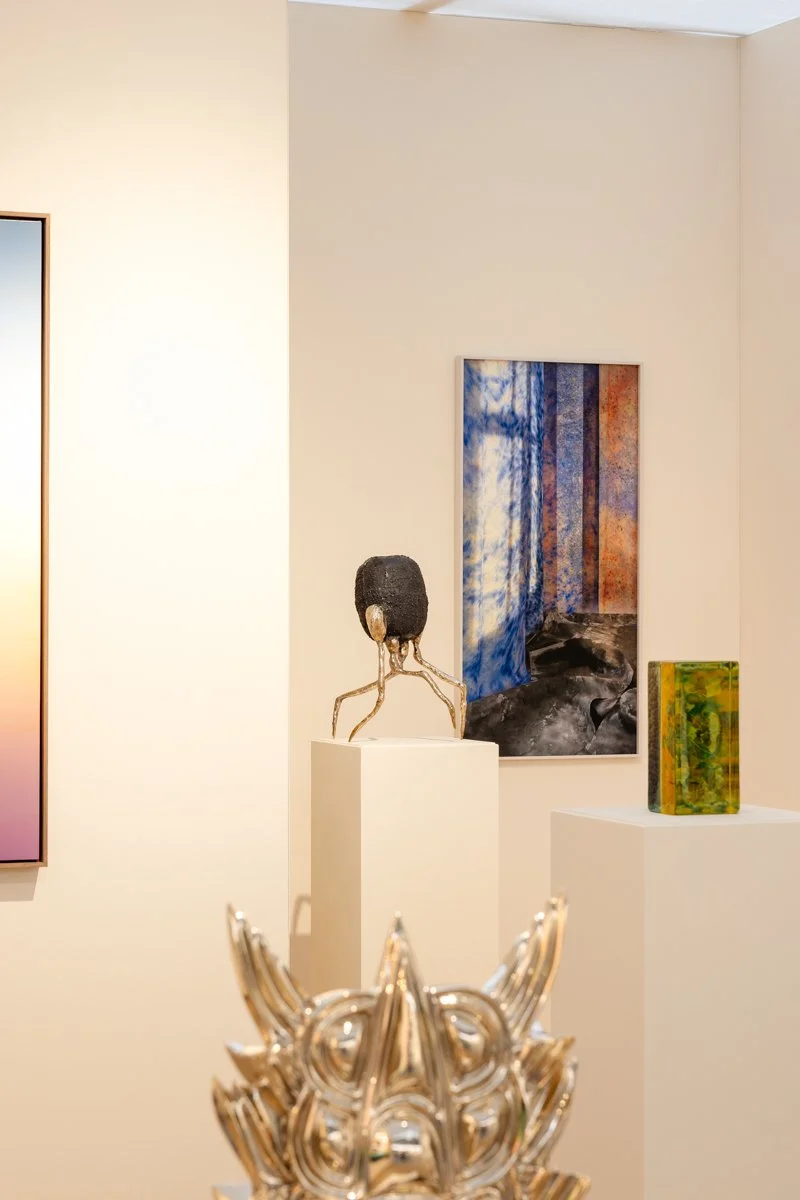
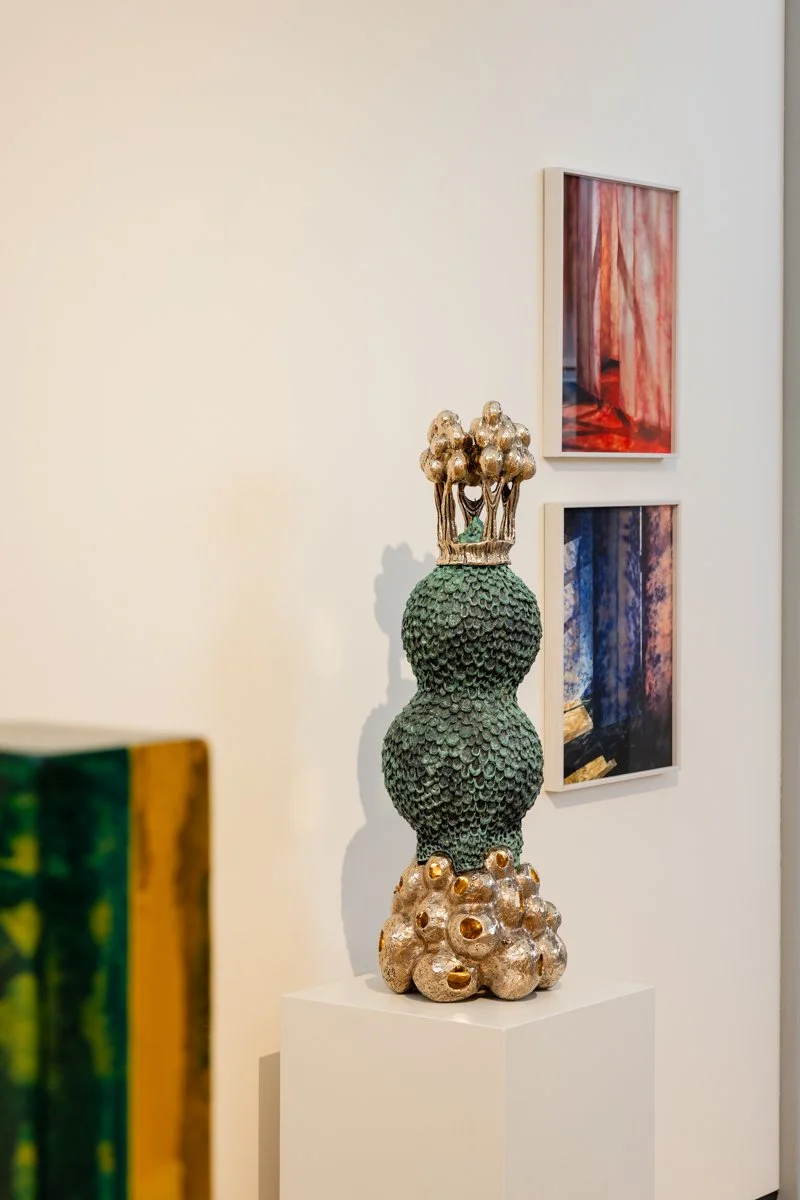
Behind Jeske Haak’s work lies an ongoing search for forms we recognise but rarely truly see. Her sculptures bring forward the hidden logic of nature - from insects to underwater worlds - translated into durable, carefully crafted bronze objects. With their hybrid character and subtle details, they invite viewers to look again: at the work itself, and at the world from which it emerges.



By Jeske Haak
85 × 25 × 25 cm, 2022
Polished bronze, patina bronze
Edition 3/4 + 1 AP
Crown of the Sea, this sculpture by Jeske Haak tells the future story form the romantic perspective. In this story there is a creature with a form that is inspired by a combination of corals, fish and jellyfish. It will tell the story of gardening coral, this is a methode to create healthy eco-systems. This will benefit the organisms of the underwater world with a better quality of life and in the long run, a better future. The "Crown of the Sea" is made up of three distinct elements, each with its own meaning. The bottom section represents eggs, symbolizing the creation and continuation of new life. The middle section is designed as camouflage, essential for the creature’s survival in the mysterious depths of the sea. At the top is the crown, the jewel of the sculpture, representing how the creature nourishes and gives back to the ocean ecosystem. Crown of the sea is part of Faces of the Sea. Faces of the Sea is a work about the future of the underwater world. Where the different faces represent different storylines of the future scenarios. This can be a romantic story or a dark story. The story of these "faces" will be showed in different elements.
Each piece is made to order, with a lead time of approximately three to six months. Delivery within the Netherlands and Belgium is complimentary and arranged with care, either in person or securely shipped. We’re happy to advise on placement and presentation.