How is contemporary glass art made?
Behind the process of glass sculpture
Glass appears light and fragile, but anyone who has ever seen a glassblower at work knows the reality is very different.
A finished glass sculpture can weigh several kilograms. The material is worked at temperatures exceeding 1.000°C, and even a small mistake can mean starting over. Unlike painting, where a brushstroke can be corrected, molten glass demands immediate decisions.
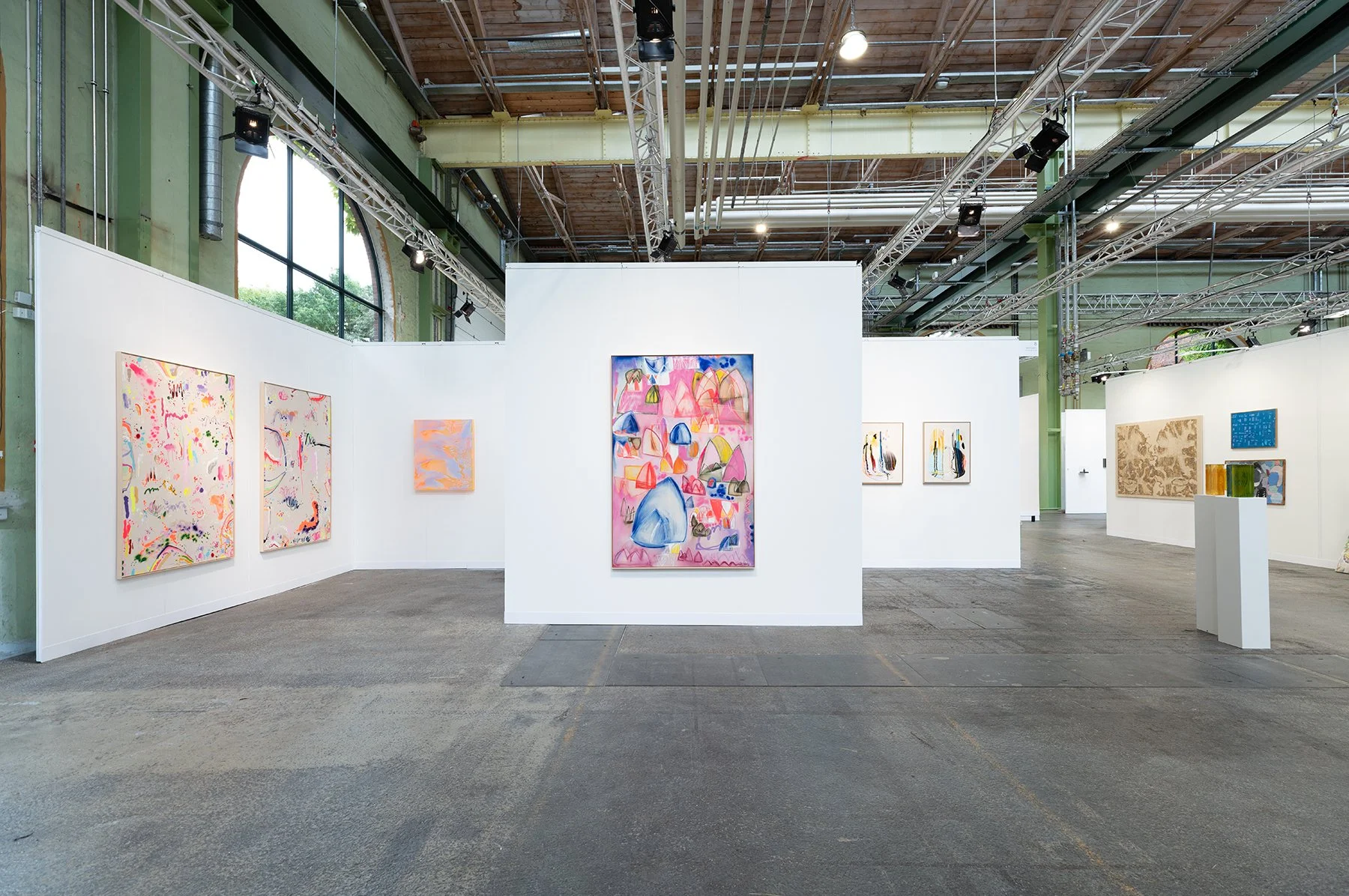
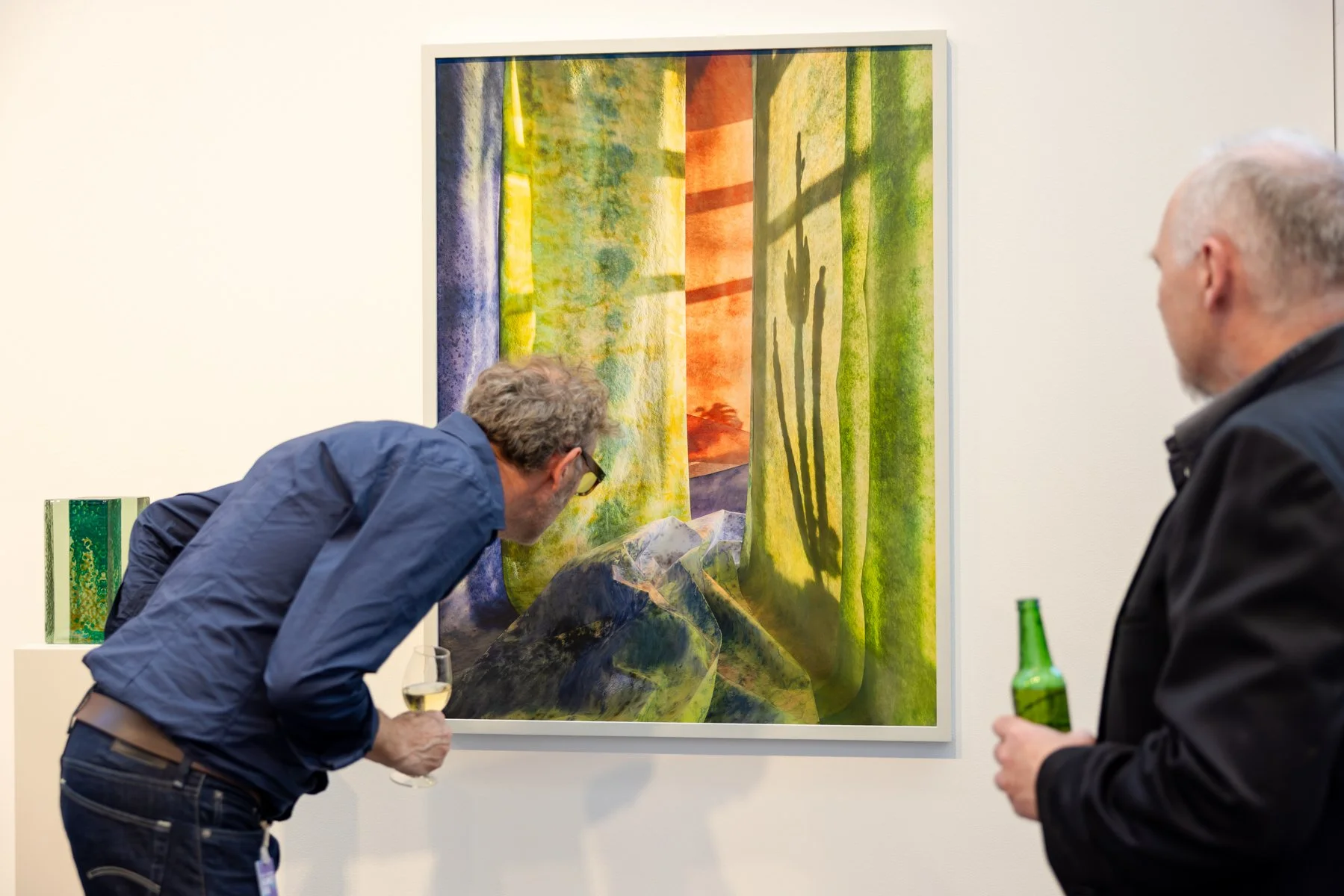
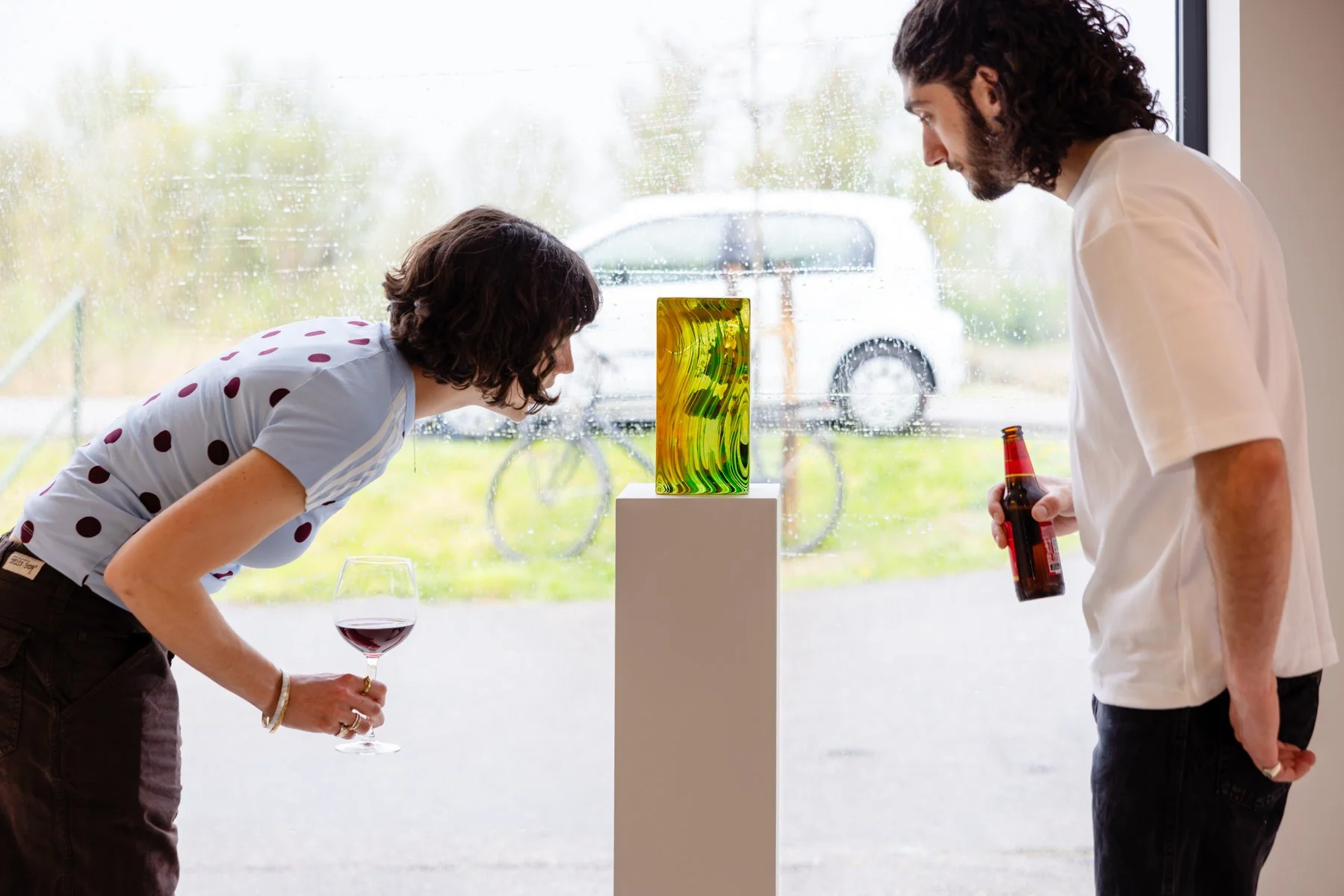
At Root Gallery, visitors regularly ask how contemporary glass art is made. The work of Francisca Snel, currently on view as part of Invitation II, offers an opportunity to look behind the scenes of this remarkable process.
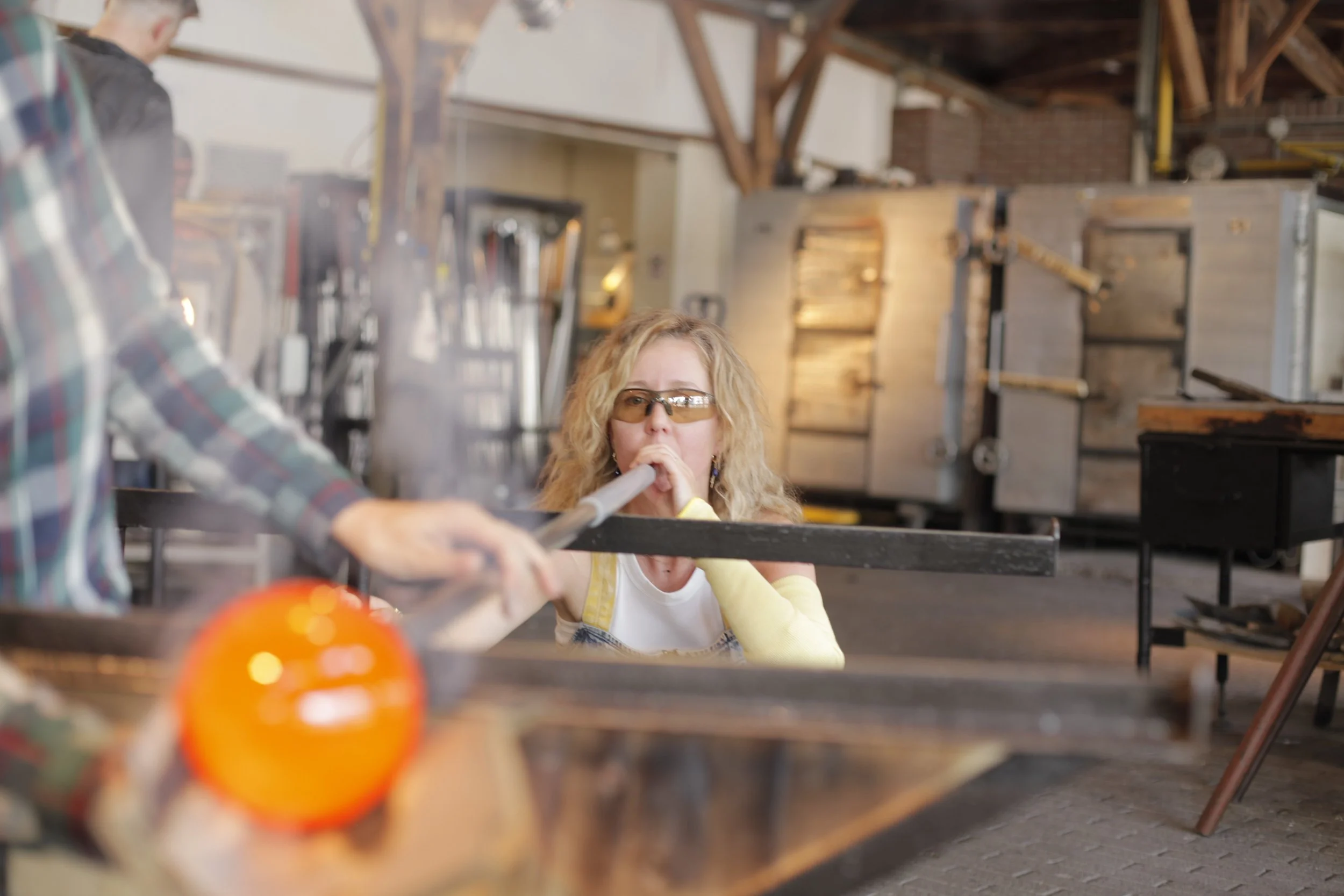
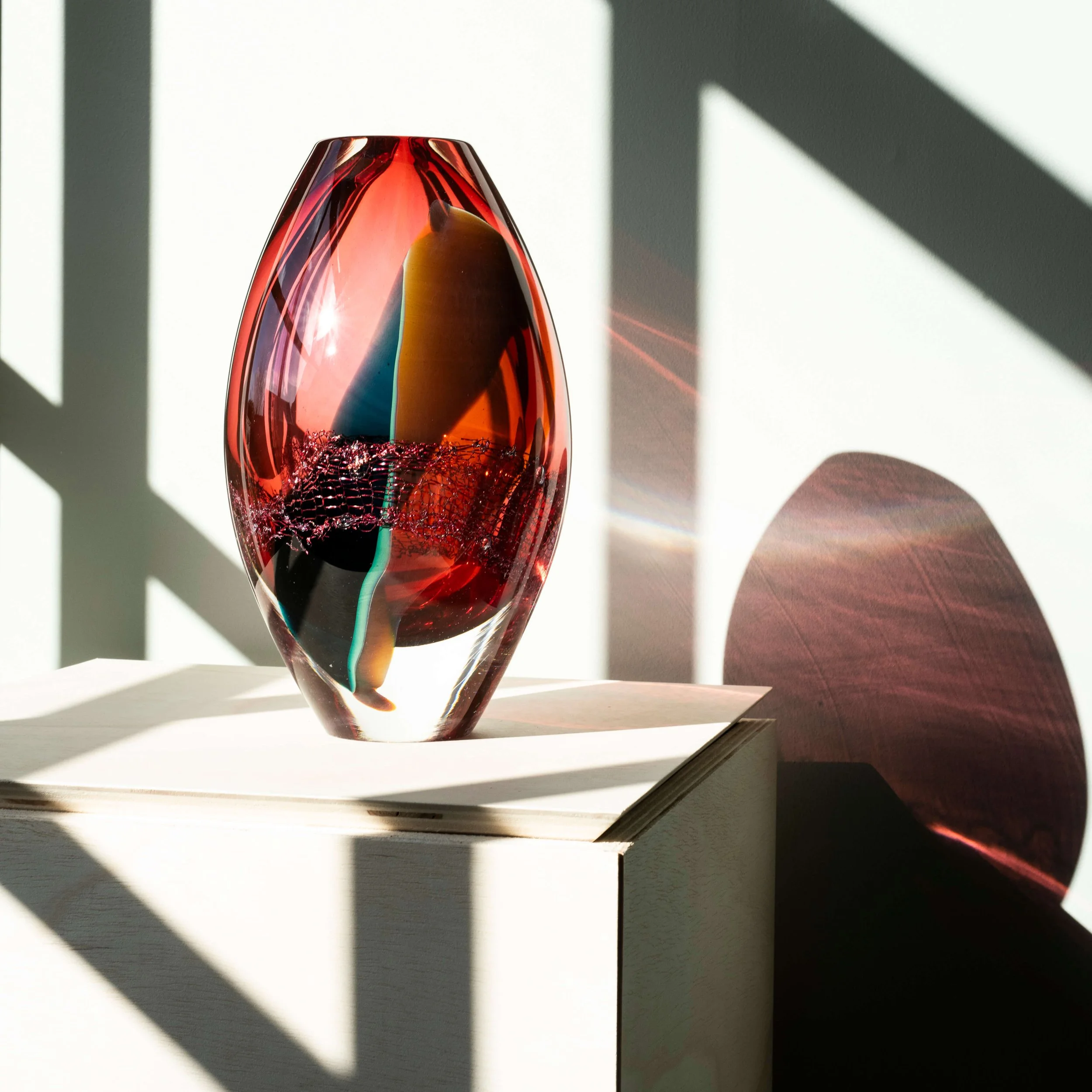
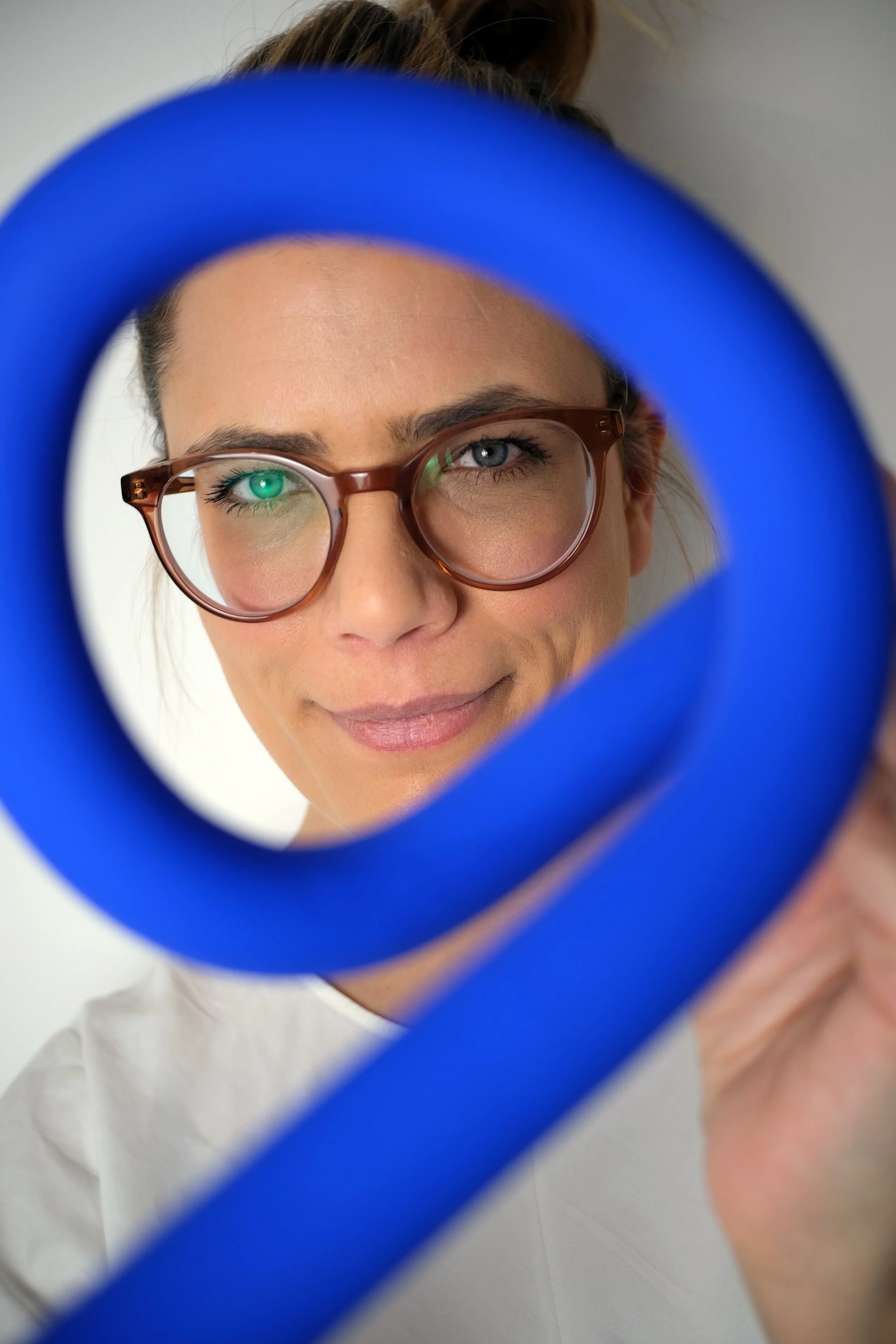
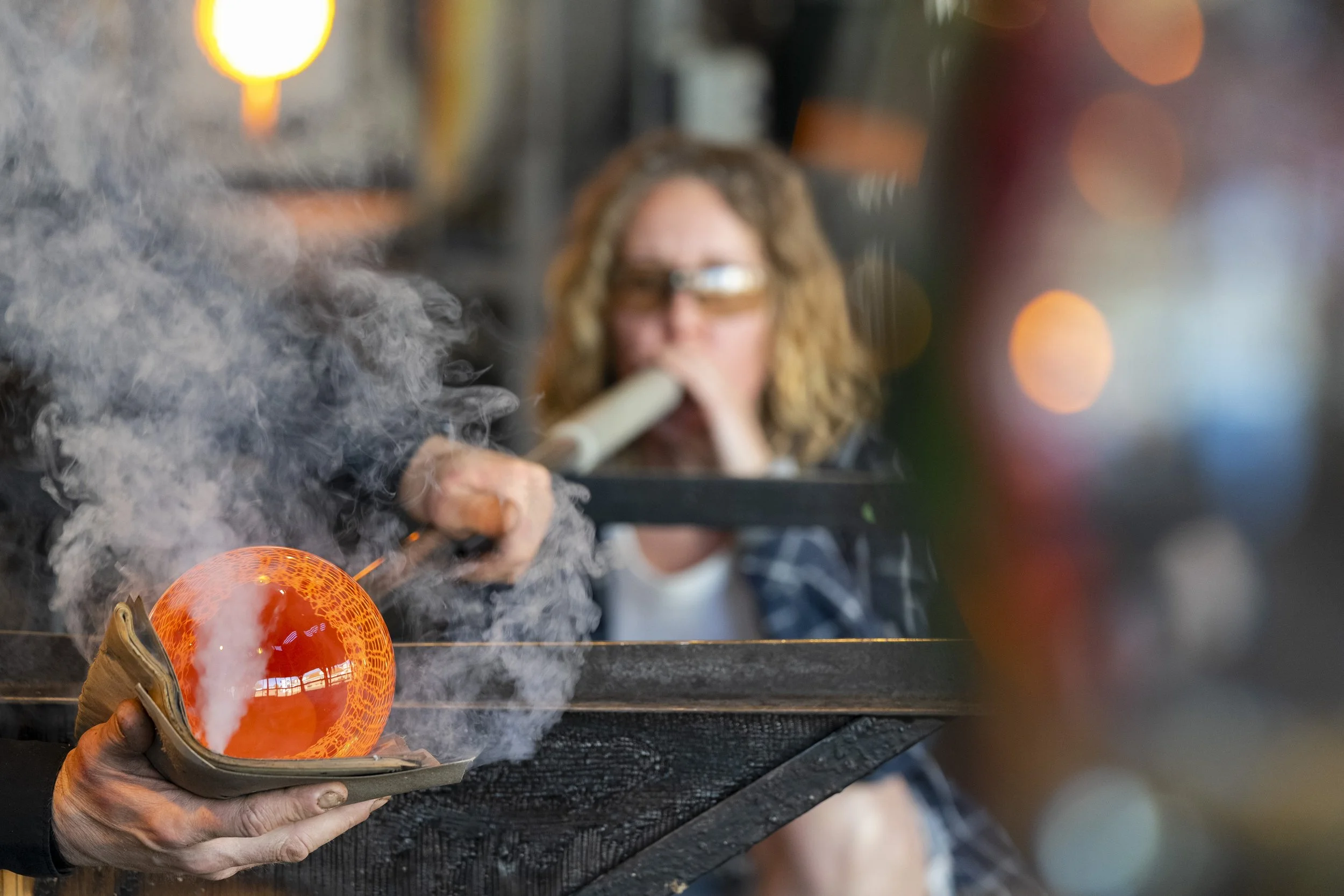
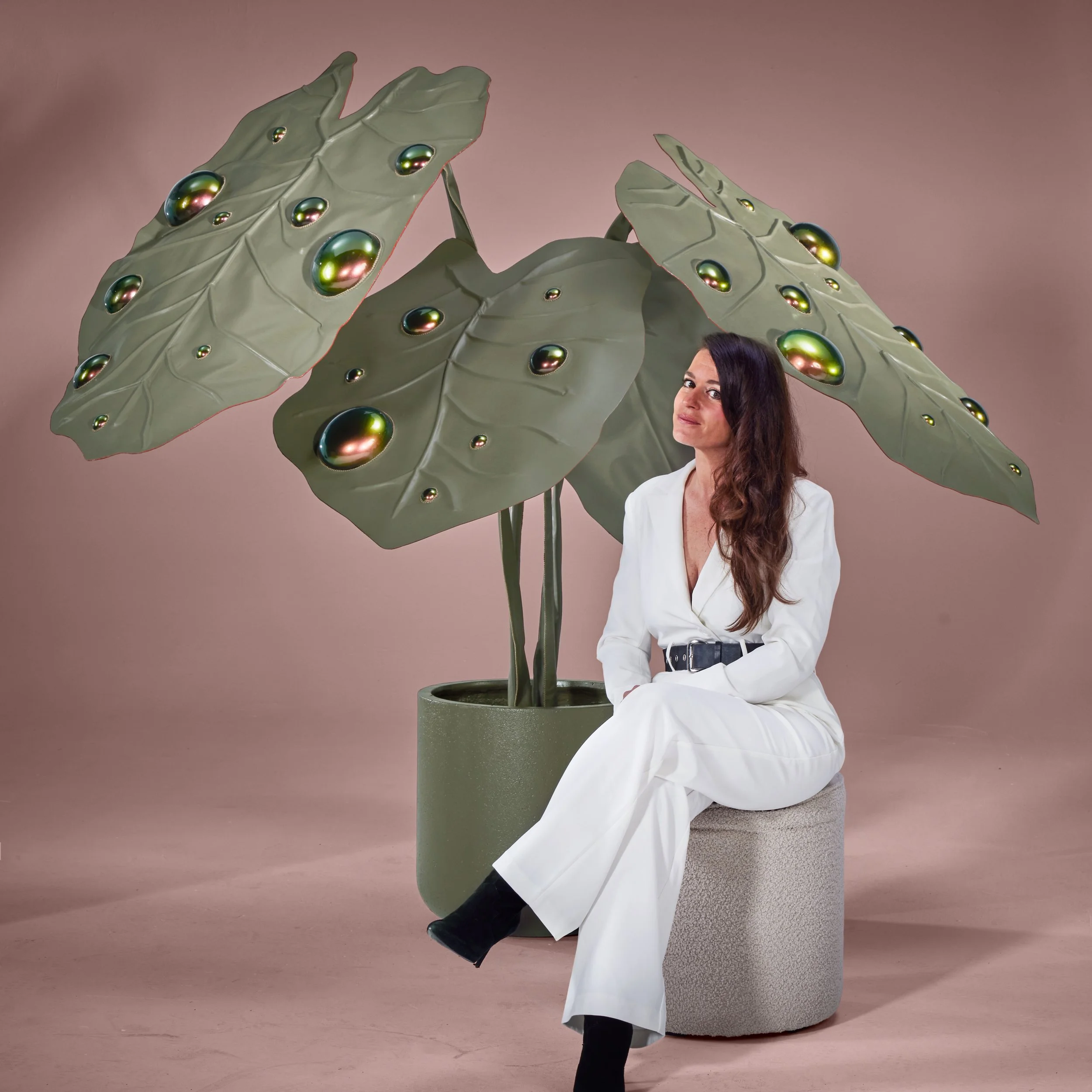
Francisca Snel - photo by Judith Quax
Glassblowing is one of the oldest crafts still practiced today
Glassblowing was developed nearly 2,000 years ago and remains a highly specialised craft.
One of the most surprising aspects is that glassblowing is rarely done alone. Large pieces often require multiple people working together. While one person gathers molten glass from the furnace, another may assist with shaping, reheating, or transferring the piece between tools.
The material itself must remain hot throughout the process. Depending on the type of glass, working temperatures can exceed 1,100°C, while furnaces often remain continuously heated for months at a time.
Because of these technical demands, many contemporary artists collaborate with specialised glass studios and master glassblowers when developing new work.
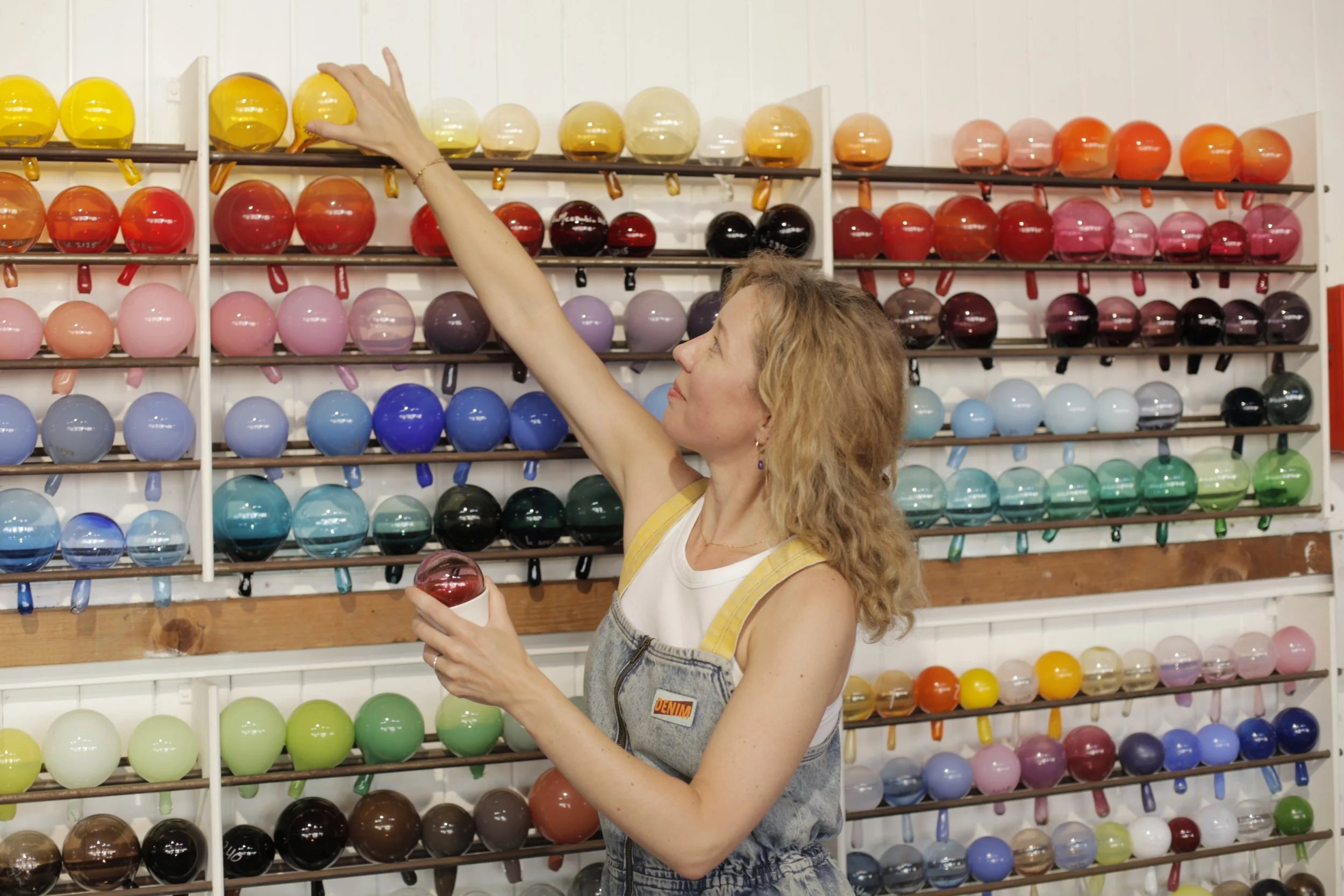
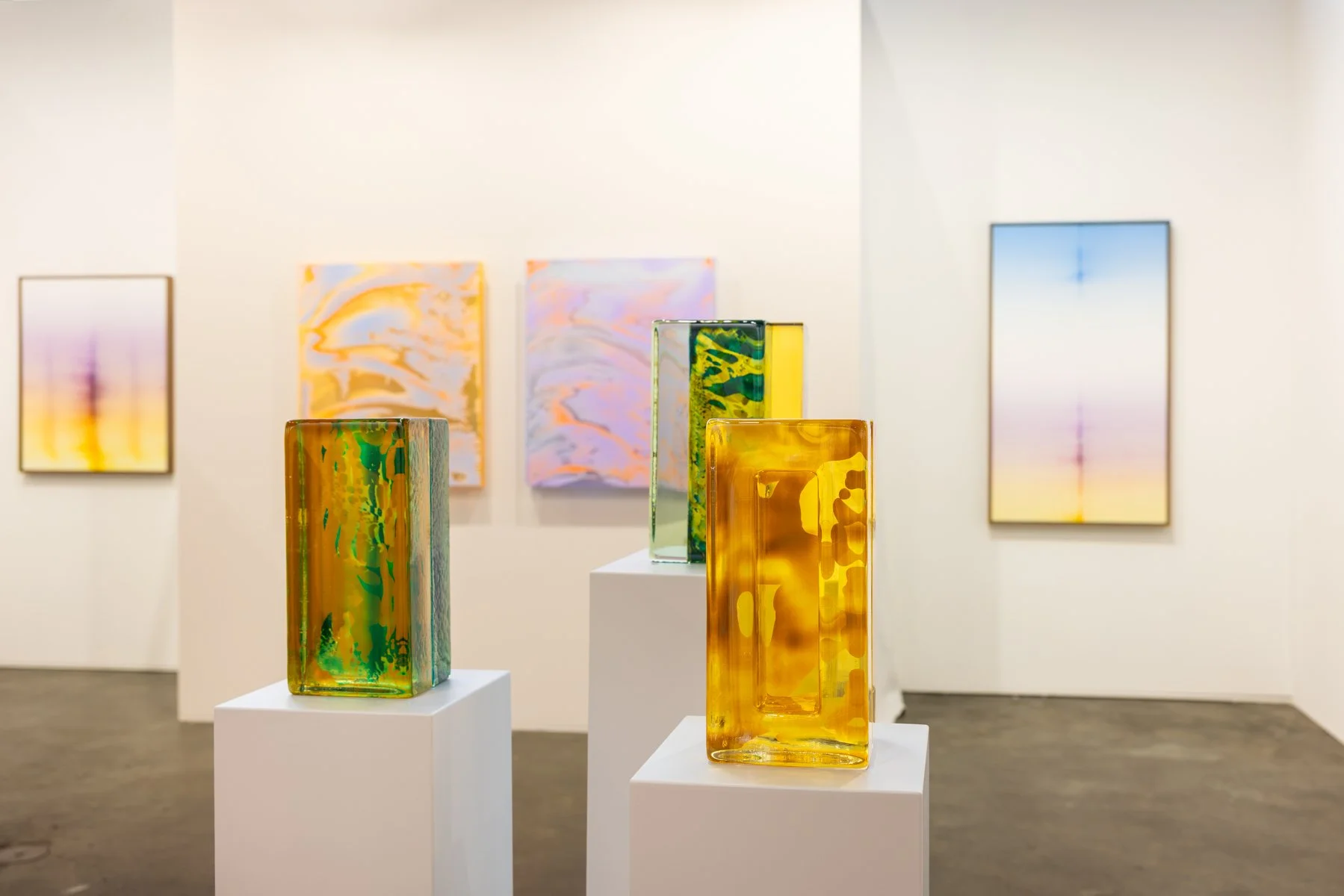
Francisca Snel - photo by Judith Quax
Leerdam: the centre of Dutch glassmaking
In the Netherlands, Leerdam has long been associated with glassmaking.
For more than a century, the city has played an important role in the development of Dutch glass art and design. Today, visitors can still experience glassblowing demonstrations and learn more about the craft through museums, workshops, and public presentations.
For collectors interested in contemporary glass art, a visit to Leerdam offers a fascinating introduction to the techniques behind the material.
From research to finished artwork
While technical skill is essential, contemporary glass art rarely starts with the material itself.
Artists often begin with a question, an observation, or a concept.
For Francisca Snel, this process led to Crystal Clear, a series inspired by an object that most people rarely notice: a copper cleaning sponge.
Rather than reproducing the object directly, she uses glass and copper to explore ideas about labour, value, and attention. What happens when an everyday object is removed from its original function and placed in a gallery setting?
Questions like these often require years of experimentation before a final work emerges.
Many collectors only encounter the finished sculpture. What remains invisible are the countless tests, technical challenges, failed experiments, and decisions that shape the final result.
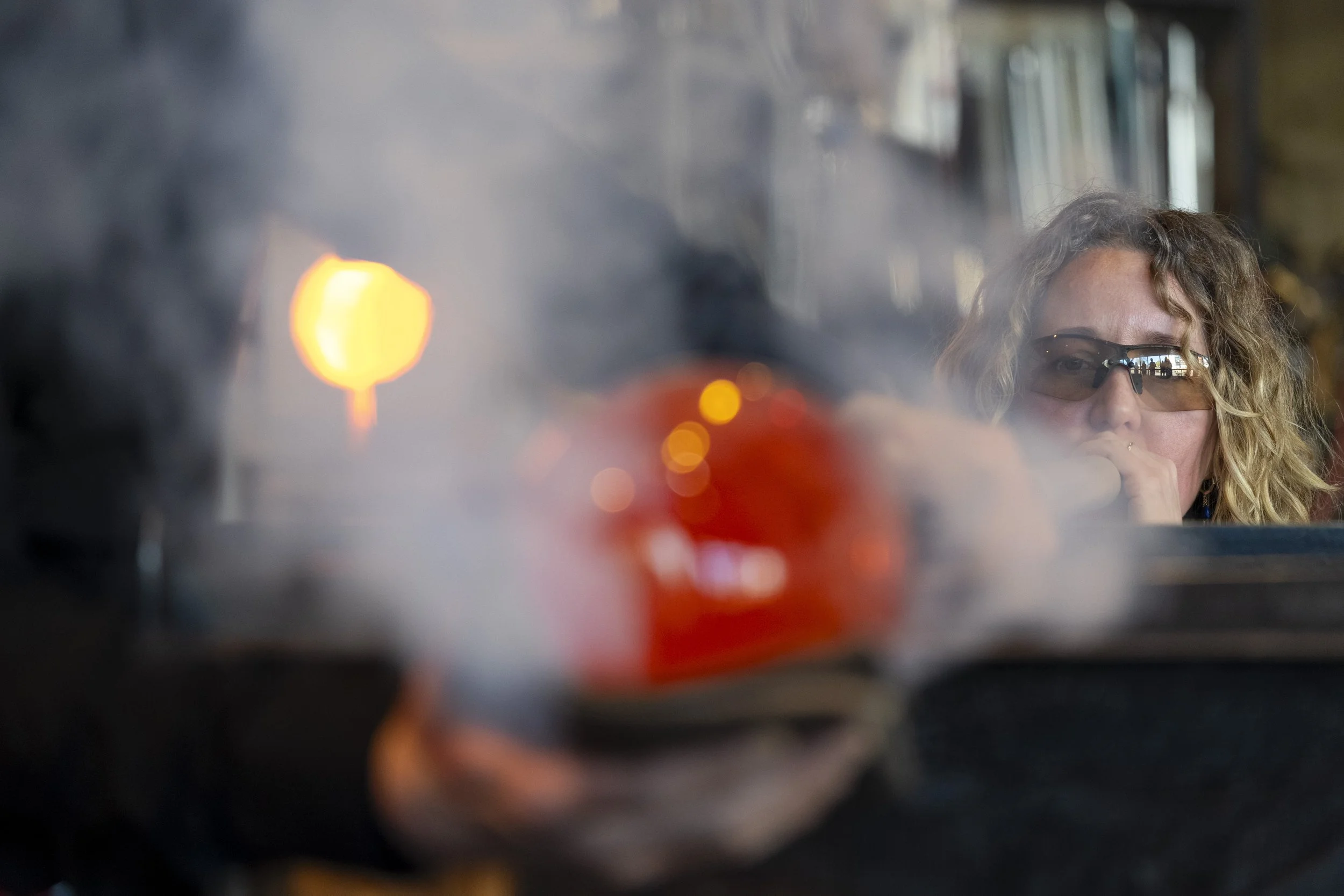
Francisca Snel - photo by Ben Deiman
Why contemporary artists choose glass
Glass offers possibilities that few other materials can provide.
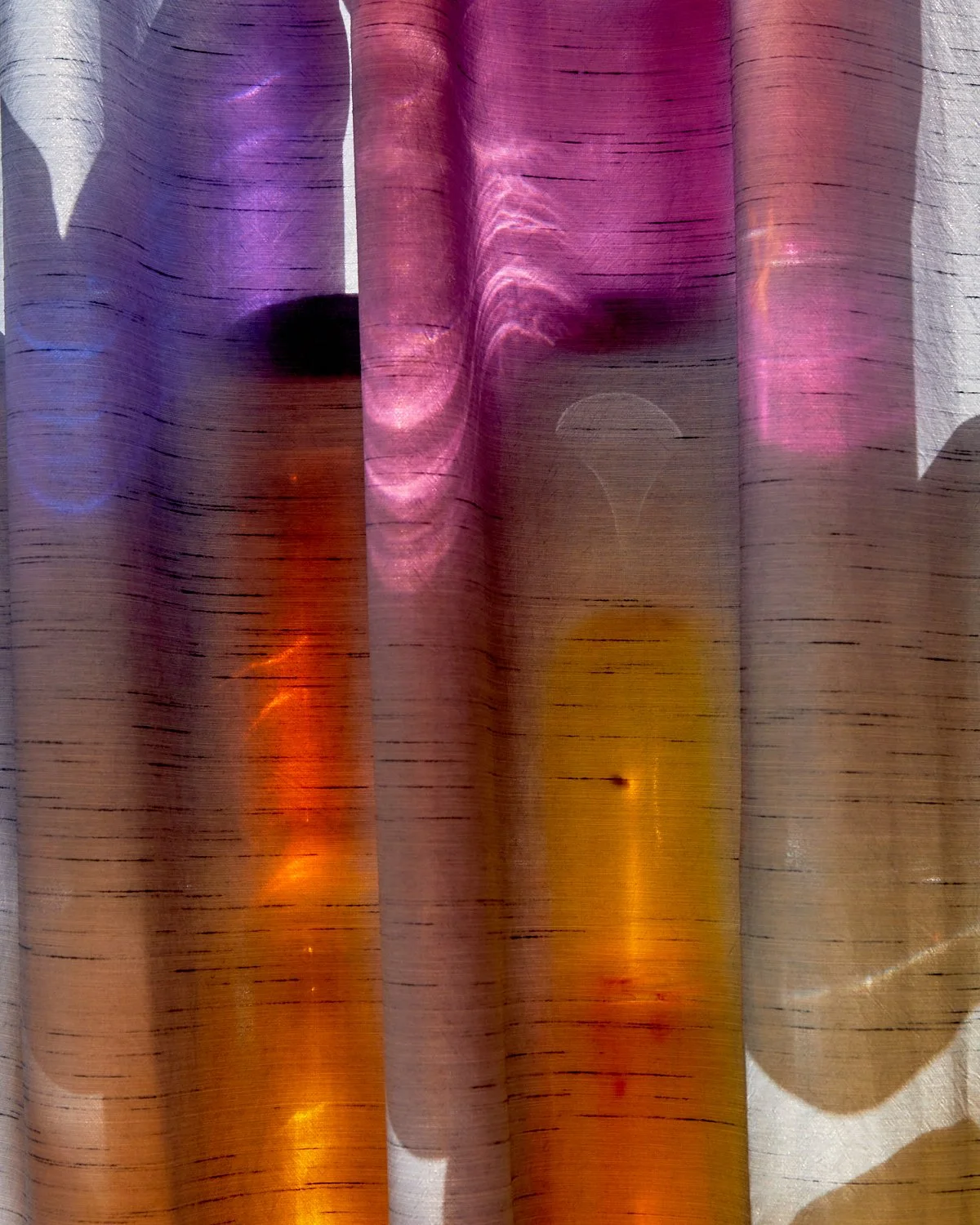
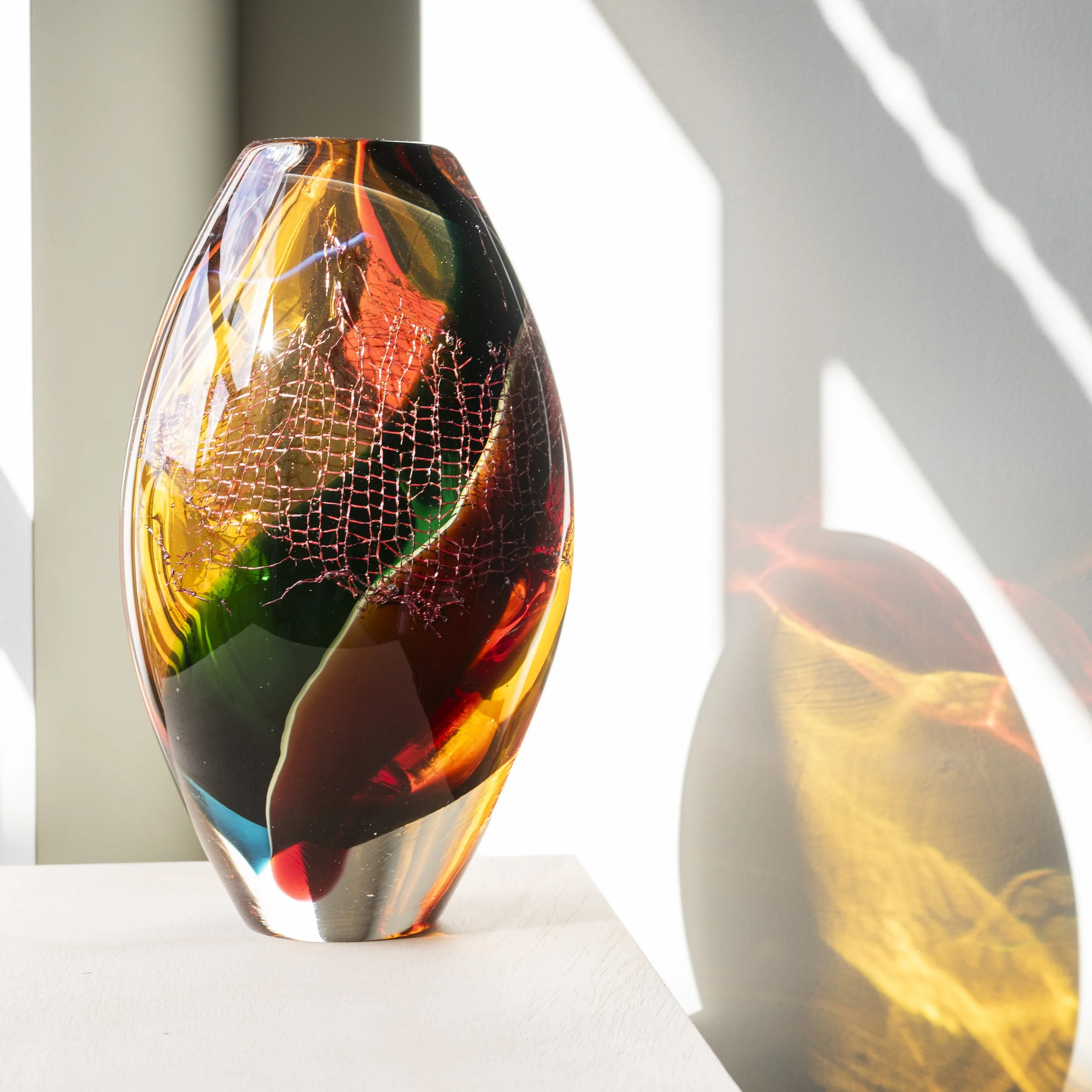
It interacts with light. It reflects, absorbs, and refracts its surroundings. A sculpture can appear completely different in the morning than it does in the late afternoon.
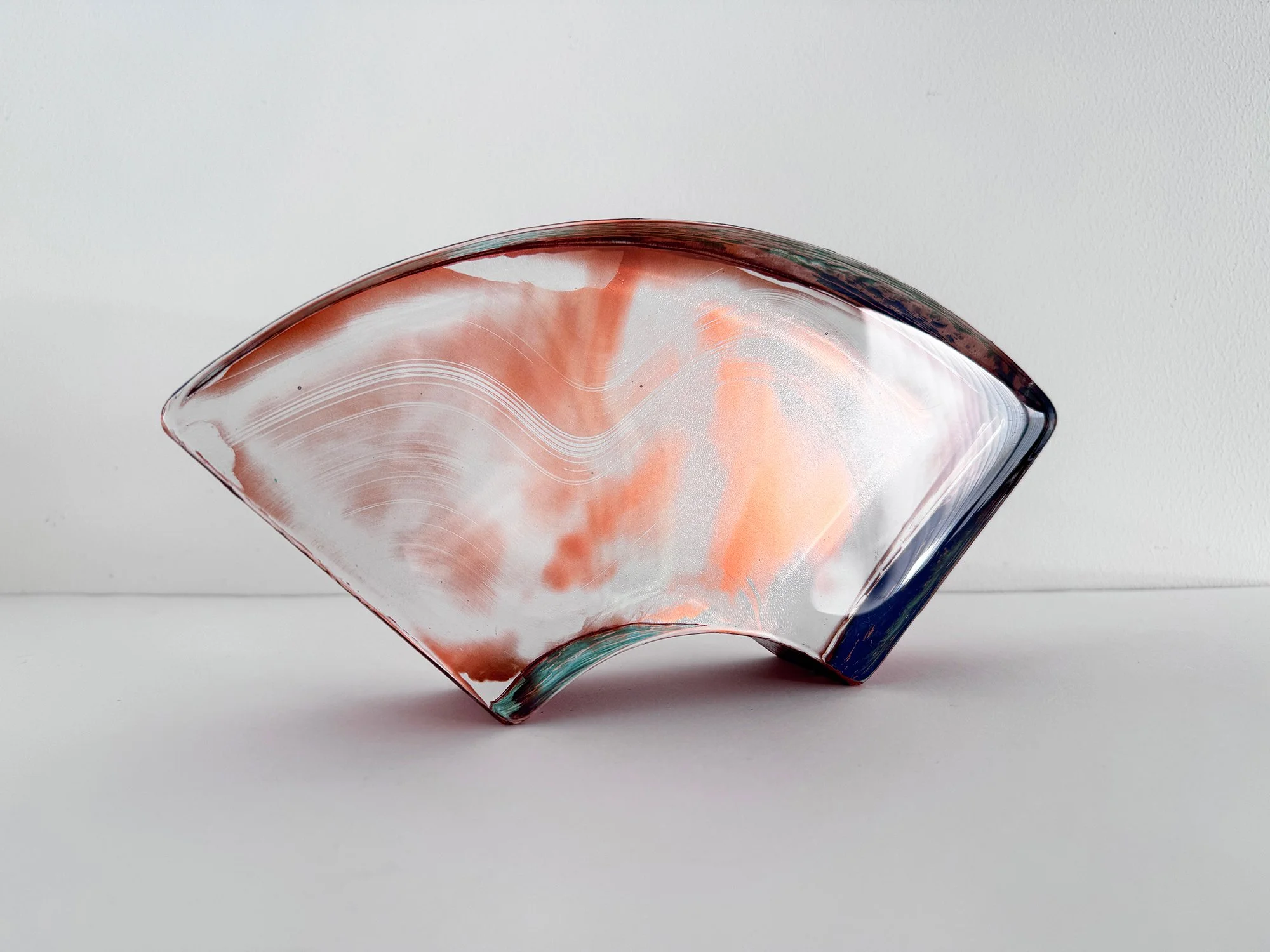
This is one reason why glass artworks are difficult to fully experience through photographs. Their appearance changes continuously depending on the environment and the position of the viewer.
In a domestic setting, this quality often becomes part of the appeal. Sunlight moving through a room can subtly transform a glass sculpture throughout the day.
Stronger and heavier than it looks
Many people associate glass with fragility.
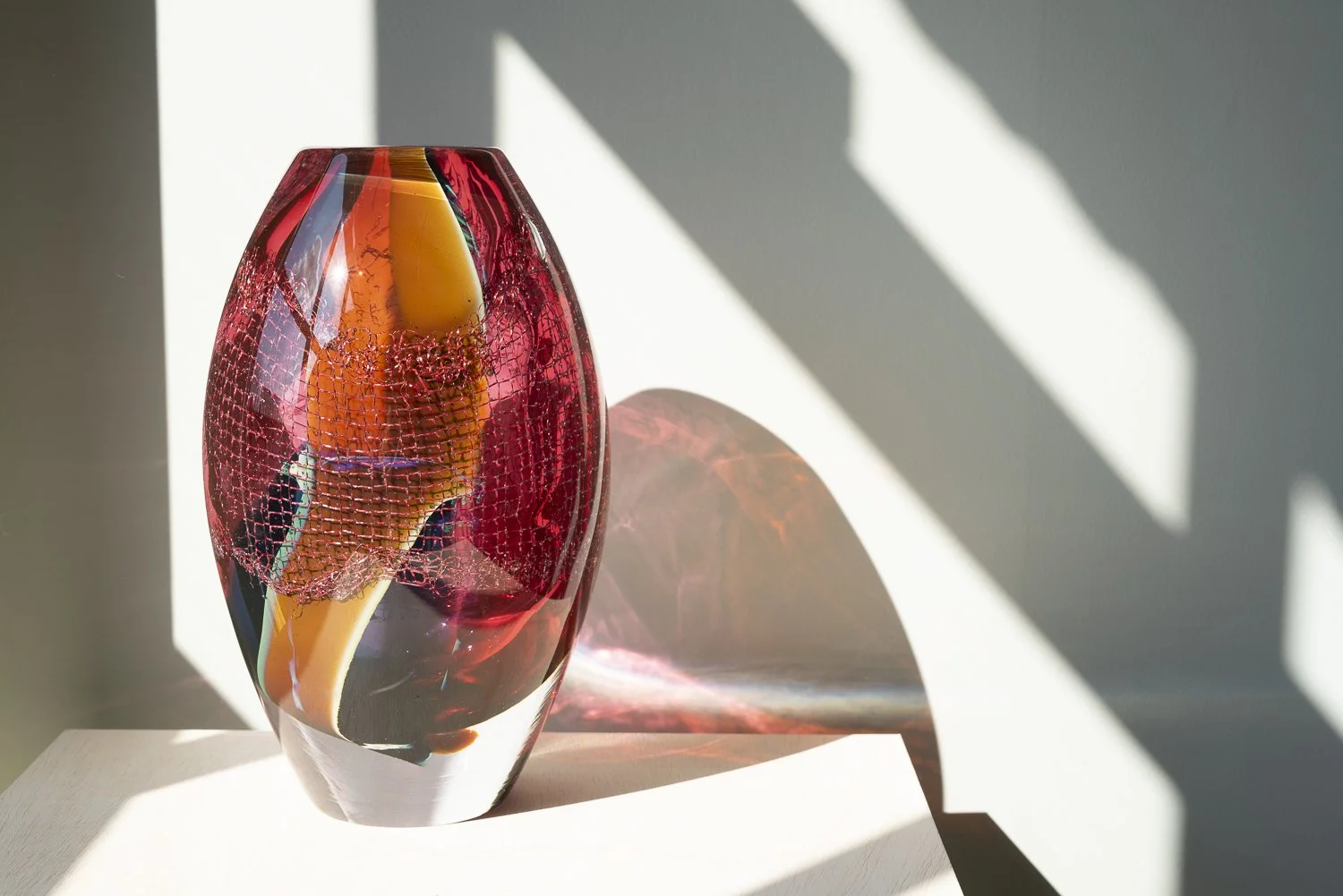
Yet contemporary glass sculptures are often surprisingly robust. Some of the works by Francisca Snel weigh several kilograms despite their delicate appearance. A single vessel can easily weigh around seven kilograms, making the physical process of creating and handling the work far more demanding than many visitors expect.
This contrast between visual lightness and physical weight is part of what makes glass such a compelling material for contemporary artists.
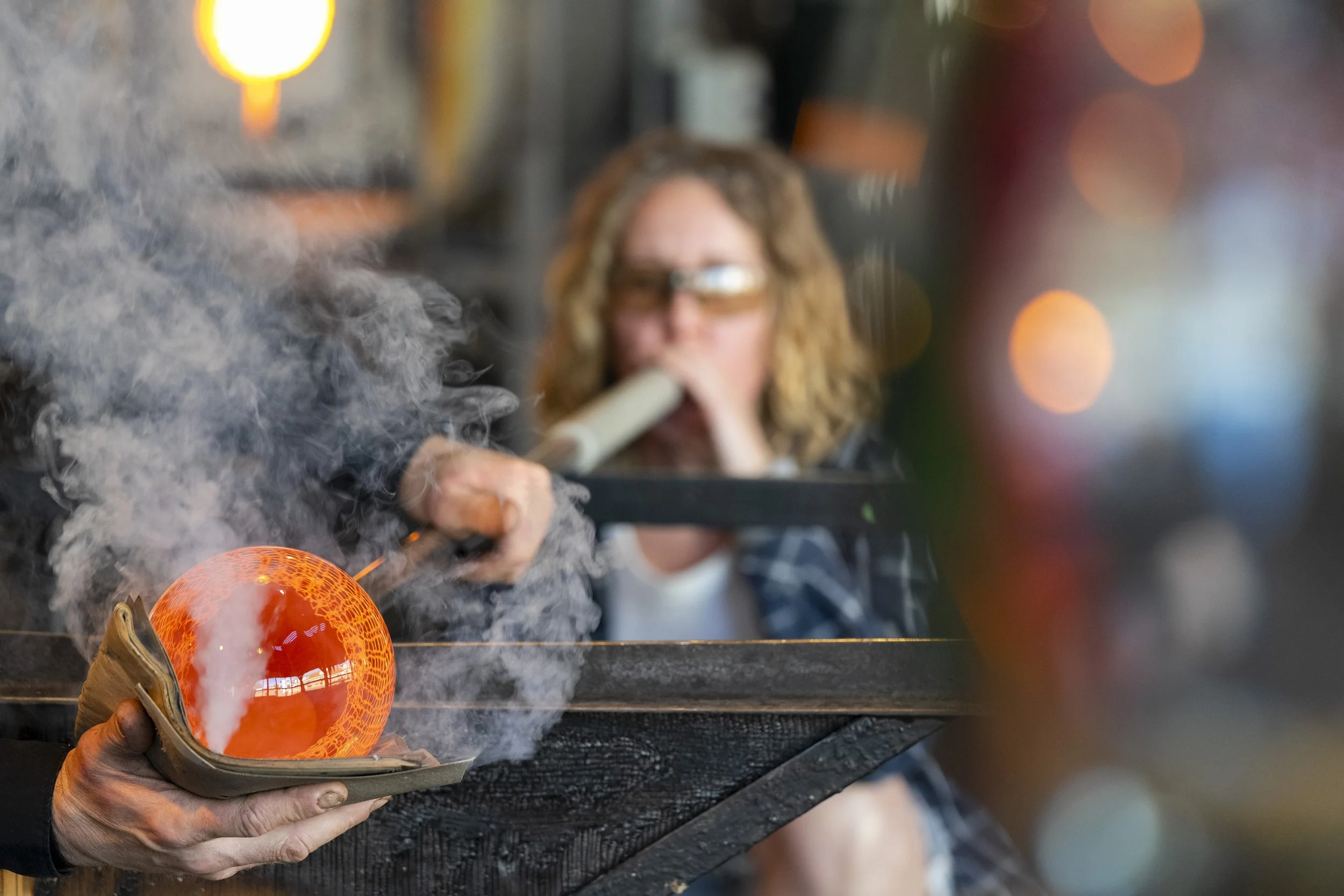
Francisca Snel - photo by Ben Deiman
Contemporary glass art at Root Gallery
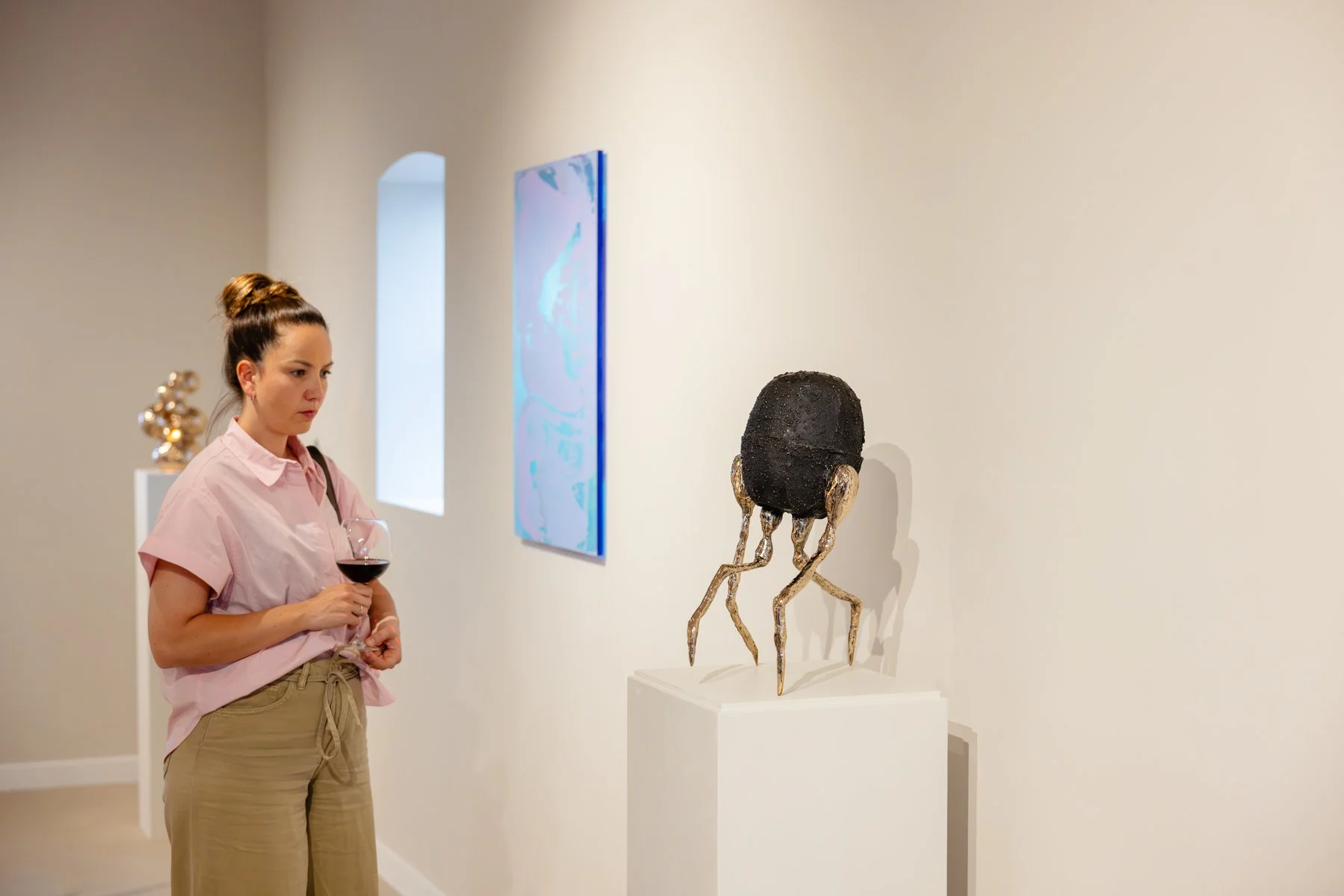
Material plays an important role throughout the programme of Root Gallery.
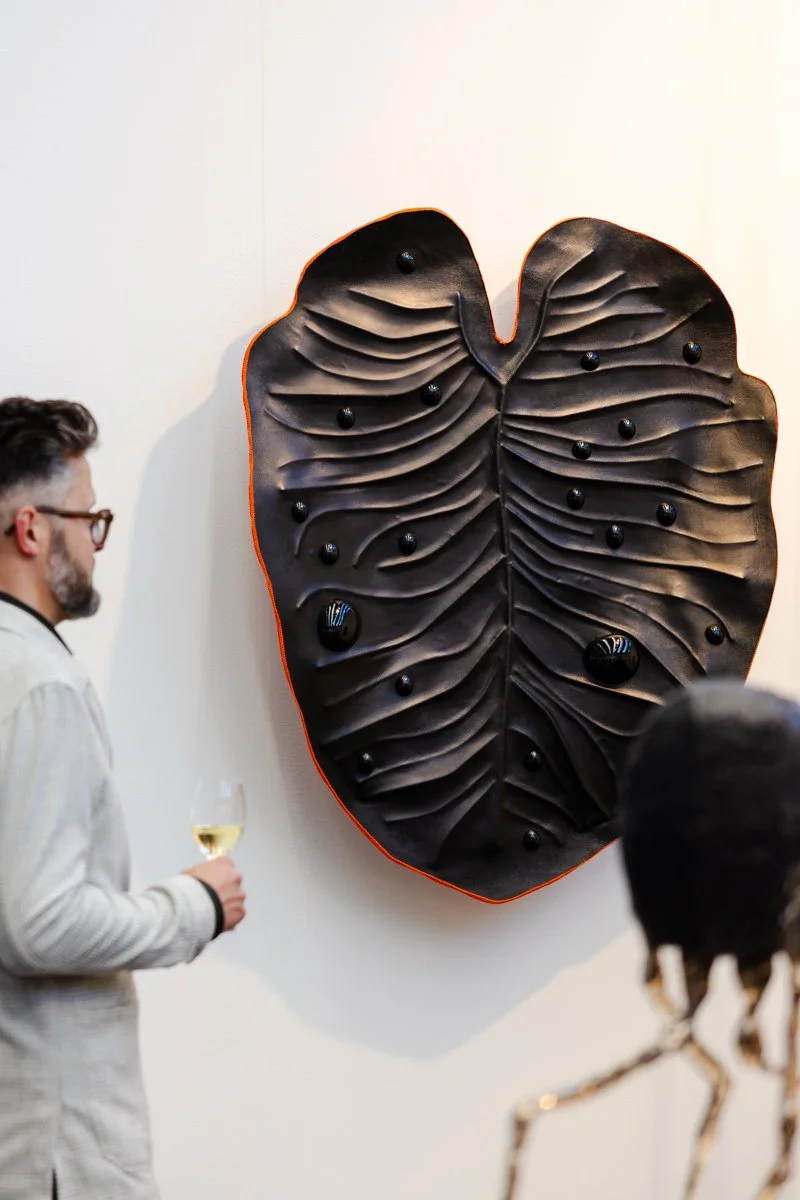
Artists such as Francisca Snel, Lisette Schumacher, Jeske Haak, and Quinda Verheul each work with materials that bring their own possibilities and challenges. Whether glass, plexiglass, bronze or mirror, the material is never simply a medium. It becomes an active part of the meaning of the work.
Through Crystal Clear, Francisca Snel demonstrates how contemporary glass art combines craftsmanship, material research, and artistic inquiry.
The works are currently on view at Root Gallery until 11 July 2026.